Newsroom
Creatify Launches Boreal-H3, an AI Video Model Built for Ads
Post-trained from MiniMax H3, the model is tuned to keep products and faces consistent in advertising shots
Creatify's Boreal-H3, post-trained from MiniMax H3, is tuned to keep products and faces consistent in ads. How it works, the numbers and the caveats.
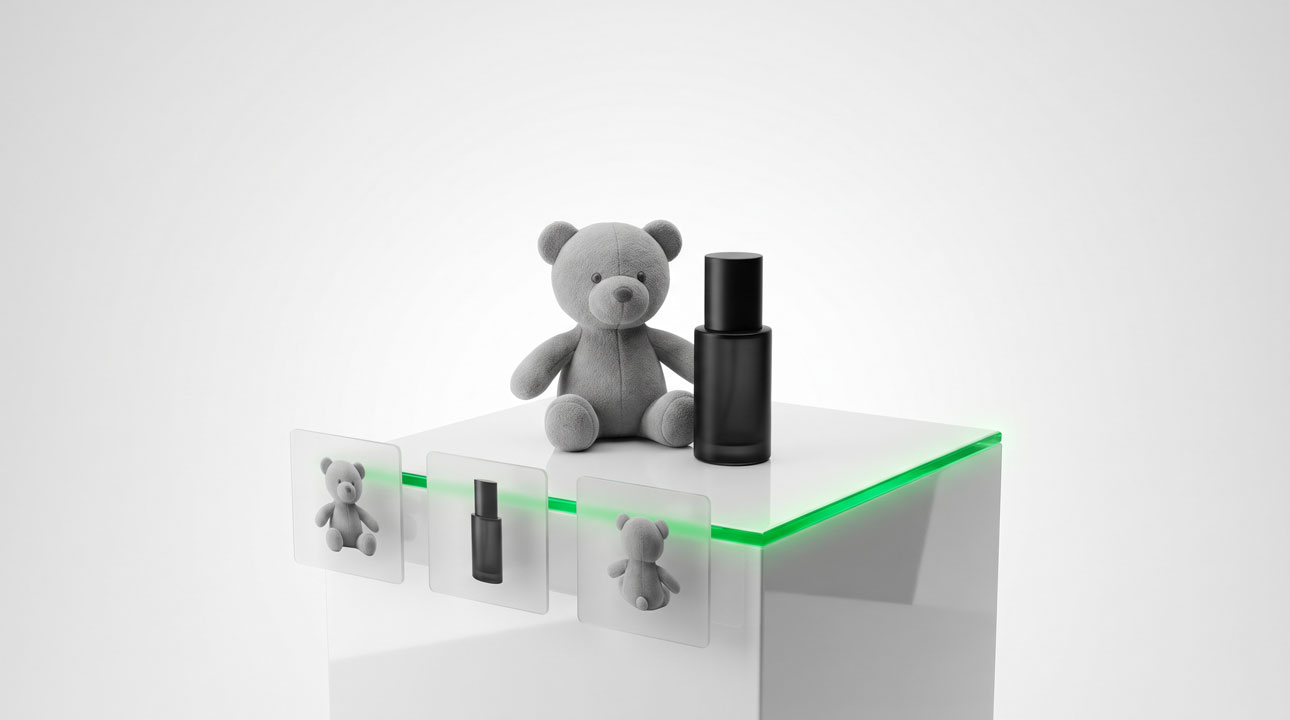
Creatify, the AI ad platform, has released Boreal-H3, a video model trained specifically for advertising. It went live on September 30.
Boreal-H3 isn't a new model built from scratch. It's a post-trained version of MiniMax H3, a general video model that reads text, image, video and audio references and produces clips with stereo sound. Creatify tuned it for the things ads need most: keeping a product's exact look, keeping a person's identity stable, and following the brief.
How it works
According toLet's Data Science, the model supports three workflows:
The launch price is $0.04 per second at 768p, whichOrcaRouter's analysisnotes is half Creatify's list price. Creatify also reworked its creative agent into what it now calls an Ad Agent, which connects the model to a full ad workflow: developing ideas, generating variations and reviewing results.
The numbers, with a caveat
In Creatify's own tests, the share of advertising shots that met the brief rose from 28% with the MiniMax H3 base model to 50% with Boreal-H3. Identity matching went from 83% to 94%. The company also ran comparisons against Seedance 2.5 and Kling 3.0 using the same briefs and reference images.
These are vendor-run results on the vendor's own test set, and no independent scores have been published yet. They show the direction Creatify is aiming for, but they aren't proof that the model will outperform others on your products.
Why it matters
General video models are trained to produce impressive clips. Advertising has narrower needs. A beautiful shot is useless if the label on the bottle is wrong or the presenter's face changes halfway through. Boreal-H3 is one of the first models openly tuned for those needs, and it probably won't be the last.
For brands, the takeaway is that the question "which model is best?" is turning into "which model is best for this kind of shot?" Product close-ups, talking presenters and wide lifestyle scenes may each end up suiting a different tool. Production teams that test across models will get the most from this shift.
For more on why consistency matters in product-focused ads, read our guide toAI product videos for e-commerce brands.