AI Product Videos for E-commerce Brands
The product video formats that help online stores sell, and how AI production makes them for a whole catalog
The product video formats that help online stores sell, how AI production makes them for a whole catalog, what to send before you start, and what to watch out for.
Online shoppers can't pick up your product. They can't feel the fabric, turn the bottle in their hand or see how big the bag really is next to a body. Photos help, but video does something photos can't. It shows the product moving, in use, in a real-looking place. An AI product video can do that without a studio day for every item.
The trouble is scale. An e-commerce brand might have dozens or hundreds of products, new ones every season, and ads to run on several platforms. Filming a proper video for each product is out of reach for most teams.
AI product videos make it realistic to give far more of your catalog the video it deserves. This guide covers the kinds of product videos that work, how AI production handles them, what to send before production starts, and where to be careful.
Why do product videos matter in e-commerce?
Video answers questions that stop people from buying. How does it look on? How big is it? What does it look like in daylight? A short clip can settle those doubts faster than a page of text.
Shoppers say so themselves. InWyzowl's State of Video Marketing 2026 report, 63% of consumers said a short video is how they'd most like to learn about a product or service. Inits previous year's survey, a large majority of people said watching a video had convinced them to buy something.
Video works across the whole funnel
The same product video can do several jobs. On a product page, it helps a shopper who's almost ready to buy. In a social ad, it stops someone scrolling who has never heard of you. In a retargeting ad, it reminds someone why they looked in the first place. Planning for all three from the start gets more value from each production.
Platforms are pushing product video
Ad platforms clearly want more of it. In October 2026,Meta announceda beta tool that creates product videos from catalog images, alongside its generally available video generation from static assets. Automated tools like these are a sign of demand, though they tend to produce similar-looking results for every brand that uses them.
What types of AI product videos work best?
Different products, and different points before a purchase, call for different videos. These are the formats that do most of the work for online stores.
Hero product films
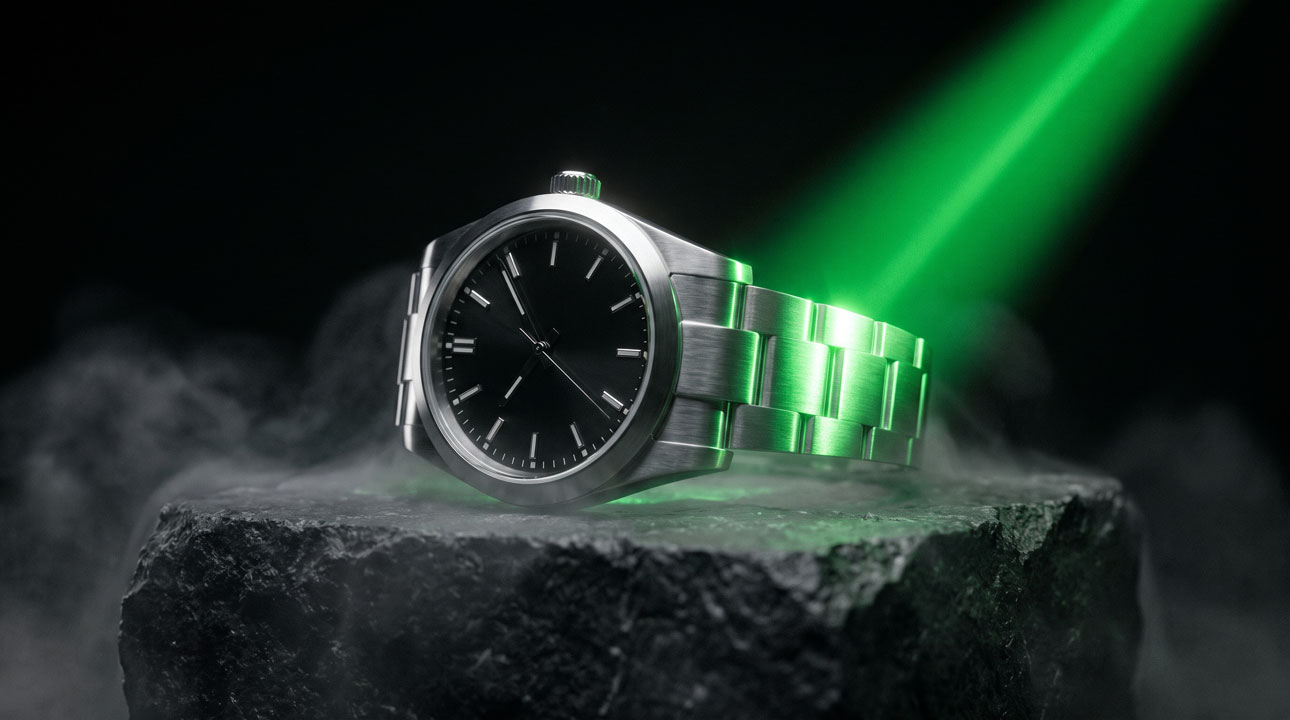
A short, cinematic clip where the product is the star. A watch catching light, a bottle surrounded by water and mist, a shoe landing on wet pavement. These are ideal for the top of a product page and for brand-building ads.
In-use and lifestyle clips
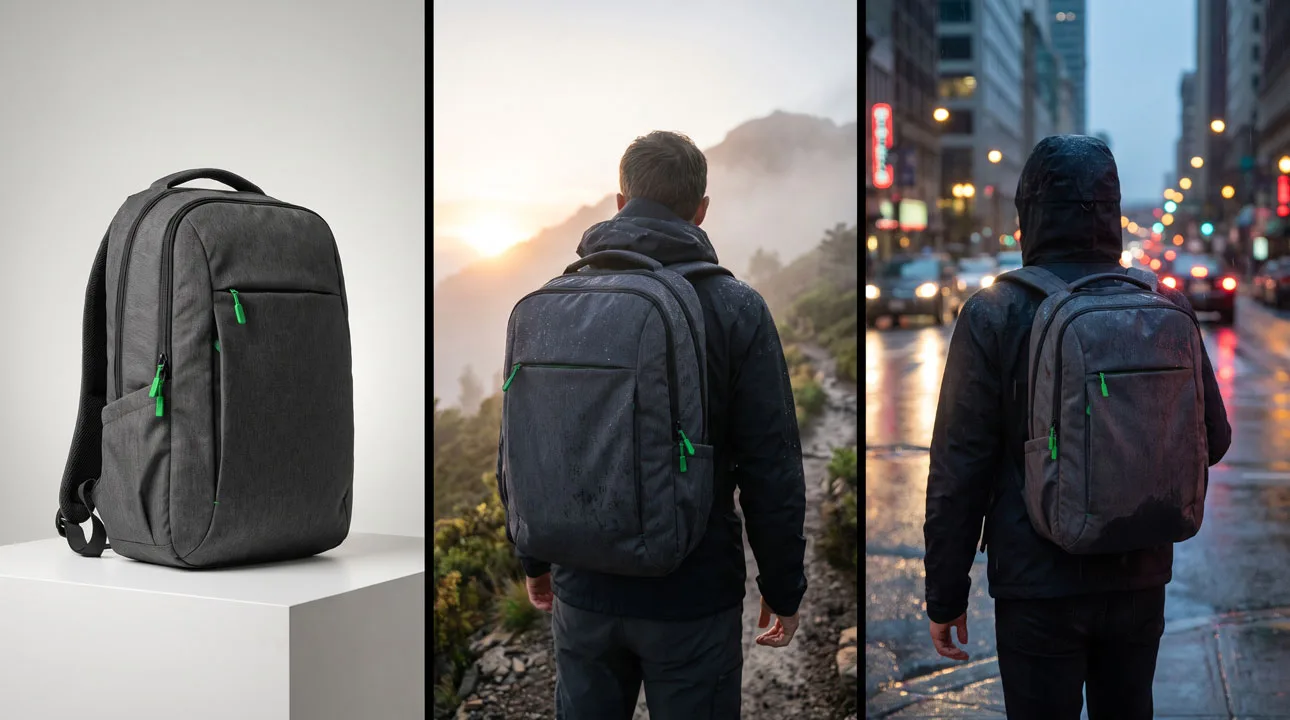
The product being used by a person in a believable setting. A jacket on a city street, a blender making breakfast, a backpack on a trail. These answer "what will my life look like with this?" and they're where AI's ability to change setting and season helps most.
Detail and feature shots
Close-ups that show what photos miss: a zipper, a texture, a mechanism, a pour. These work well as short loops on product pages and as cutaways inside longer ads.
Social ad cuts
Vertical versions made for Reels, TikTok and Shorts, with a strong opening and captions for sound-off viewing. For more on making these work, see our guide toAI social media ads.
How does AI production handle product videos?
The core of an AI product video is the product itself. Everything else, including the setting, the light, the people and the camera movement, can be designed around it.
The product comes from your references
The model learns what your product looks like from the photos and footage you provide. Current models accept far more reference material than before. Kling 4.0, for example, takesup to 15 references in one task, which helps keep a product accurate from shot to shot.
Proven ad structures, new products
Kuaishou describes a "creative recreation" feature in Kling 4.0 that keeps the pacing and composition of a reference video while swapping in different products or characters, and it names product advertising as one of the main uses. This matches how good e-commerce teams already work: when one ad structure performs, they reuse it for other products.
Longer single takes
Both Kling 4.0 and ByteDance'sSeedance 2.5can generate up to 30 seconds in one pass. For product videos, that means a full demo or lifestyle sequence can come out as one continuous shot, with fewer cuts where the product's look might drift.
Which products should get an AI product video first?
Even with AI production, it makes sense to start with the products where video will make the biggest difference, then expand.
Start with your best sellers
Products that already sell well get the most traffic, so a better product page and better ads move the most revenue. They also give you a clear before-and-after comparison, which tells you how much video is worth for your store.
Then products that need explaining
Some products don't sell because shoppers can't picture them. A bag whose size is hard to judge, a gadget with a feature that isn't obvious, a garment that looks different moving than standing still. These are often where an AI product video changes conversion the most.
Then new launches
Every launch needs launch content. Building video into the launch plan, rather than adding it later, means the product page and the first ads go live with motion from day one.
Then the rest of the catalog
Once the structure works, the same video formats can roll out across more products. This is where reusing proven ad structures with new products pays off, and where AI production makes covering a large catalog realistic.
What should you send before production starts?
The quality of an AI product video depends heavily on what goes in. These are the things that make the biggest difference.
Clean product photos from every angle
Front, back, sides, top and bottom, on a plain background, in good even light. Add close-ups of the logo, label and any texture or detail that matters. If you have a short clip of someone handling the product, include it.
Exact colors and materials
Give hex codes for brand colors and describe materials precisely: brushed steel or polished, matte leather or glossy. Small differences in finish change how premium a product looks.
What must be legible
Tell the production team which text has to be readable on screen, such as a brand name, a label or a size. Fine printed text is still one of the harder things for video models, so those shots get planned and checked with extra care.
Where the video will live
Product page, marketplace listing, Meta ads, TikTok. Each placement has its own size and length needs, and knowing them up front avoids re-editing later.
What should you watch out for?
AI product videos are powerful, but a few problems come up often enough to plan for.
Accuracy matters more than beauty
If the product in the video doesn't match what arrives in the box, you'll see it in returns and reviews. Compare every shot with the real product: shape, color, number of buttons, stitching, cap. A gorgeous video of the wrong product is worse than no video.
Marketplace rules
Marketplaces and platforms have their own rules about product media, and some are strict about misleading visuals. Check what each marketplace allows before uploading, and keep claims in the video consistent with the product listing.
Don't let the setting steal the show
AI makes dramatic scenes easy, and it's tempting to push them. The scene should support the product, not compete with it. Viewers should remember what you sell. The volcano behind it is only there to help.
If your product videos will run in several countries, our guide onlocalizing video ads into Arabic and Frenchcovers what changes between markets.
Give more of your catalog a video
AI product videos let e-commerce brands show far more of their range in motion, in settings that fit each product and each platform. They work when the references are strong, the product stays accurate in every frame, and the video is planned around where it will run.
GAAJ makes product-focusedcommercialsandsocial adsfor brands, made with AI and finished by our team. Have a look atour work, thenbook a callto talk about the products you want to bring to life.