AI Social Media Ads for Reels, TikTok and Shorts
How to make vertical video ads that work on each platform, and keep AI-made social ads from looking cheap
How to make vertical video ads that work on TikTok, Reels and YouTube Shorts, where AI production helps, and how to keep AI-made social ads from looking cheap.
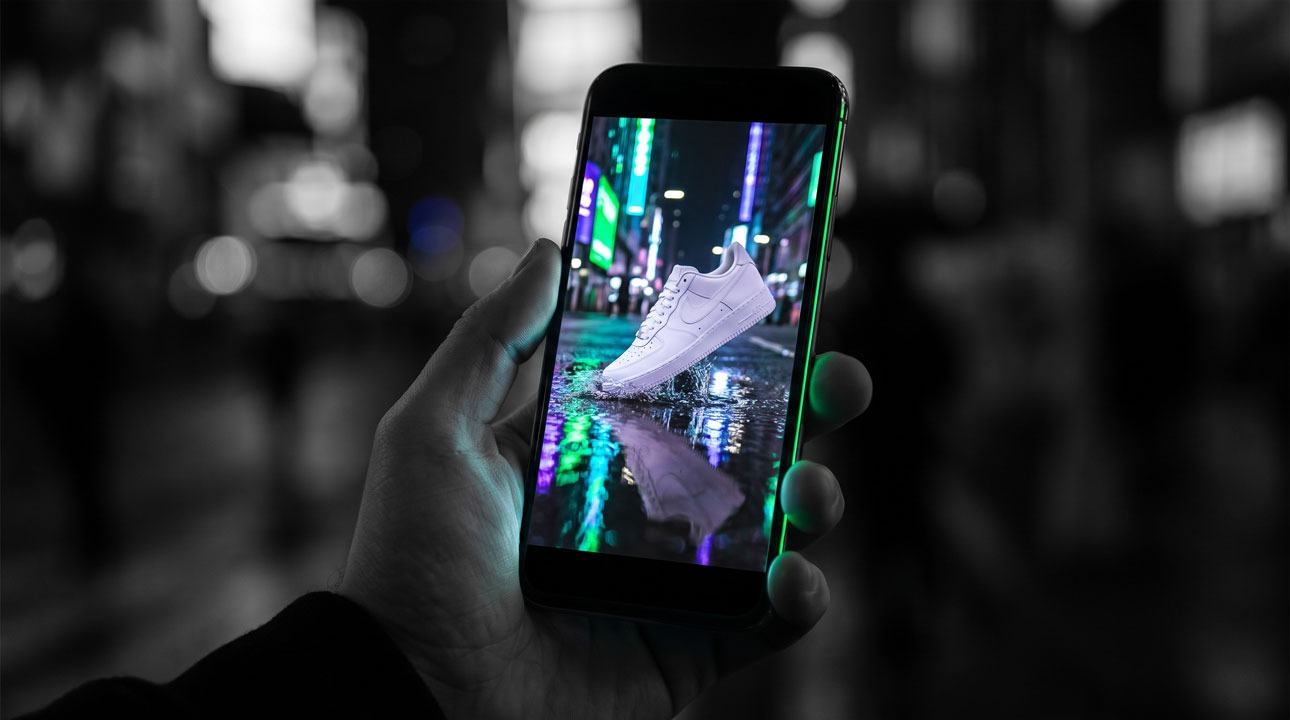
Most people now meet brands in a vertical feed. They scroll Reels on Instagram, swipe TikTok, flick through YouTube Shorts. Your ad sits between a friend's holiday clip and a cooking video, and it has a second or two to earn attention. That's the setting every AI social media ad has to work in.
Making enough good video for these feeds is hard. Each platform has its own sizes, safe zones and habits, and every ad wears out within weeks. Many brands end up reusing a horizontal TV spot cropped to vertical, which rarely works.
AI social media ads offer another route. This guide covers what makes a vertical ad work on each platform, how AI production fits into it, and how to keep AI-made social ads from looking like the low-effort content people scroll past.
Why do social media ads need their own production?
The audience is huge and it watches differently. YouTube says Shorts now averagesmore than 200 billion daily views, and Meta has said that more than 60% of time on Facebook and Instagram is spent with video, according toits Advertising Week announcements.
But viewers in a feed aren't sitting down to watch an ad. They're moving fast, often with the sound off, holding a phone in one hand. An ad made for a TV screen, with a slow build and a logo at the end, loses them before it gets going.
Vertical first, not cropped later
An ad framed for 16:9 and cropped to 9:16 usually cuts off the important parts or leaves the product tiny in the middle of the screen. Ads planned for vertical from the start use the full height: close shots, faces that fill the frame, products that sit in the center third where the eye lands.
Built for short attention
Social ads have to make their point quickly and keep making it. Every second has to give the viewer a reason to stay. That changes how you write and edit, with fewer establishing shots and more action from the first frame.
What works on each platform?
The platforms share a vertical format, but they aren't the same. Small differences in how people use them change what performs.
TikTok
TikTok's own creative guidanceasks for 9:16 video at 720p or higher, keeping content inside the interface safe zone, and putting your strongest hook early. It recommends introducing the proposition in the first three seconds. TikTok viewers expect native-looking content, so ads that feel like a creator talking to camera tend to fit in better than polished commercials.
Instagram and Facebook Reels
Reels sit between TikTok's casual feel and a brand's more polished feed. Strong visuals matter more here, and plenty of people watch without sound, so captions and on-screen text carry much of the message. Keep text away from the bottom of the frame, where the caption and buttons sit.
YouTube Shorts
Shorts viewers are often already inside YouTube looking for something specific. Shorts that teach or show something useful, like a quick demo, a before and after or a tip, fit that mindset well. A Short can also send viewers to longer videos on your channel.
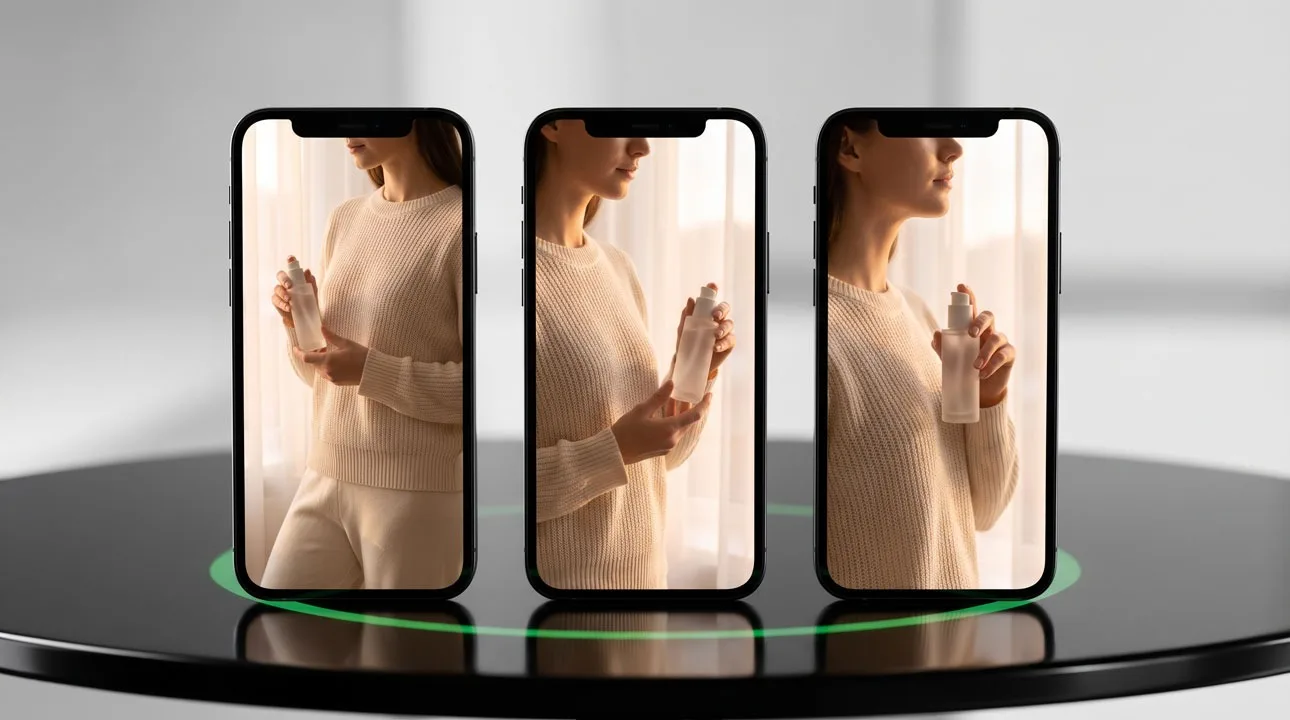
Where do AI social media ads help most?
Social ads need volume, speed and variety. Those happen to be the areas where AI production helps most.
More versions from one idea
A single concept can become several ads: different openings, different settings, different people on screen. Each one is a few more generated shots and a short edit rather than a new shoot. This matters because, as covered in our guide toAI ad creative testing, the algorithms on Meta and TikTok reward a steady flow of distinct ideas.
Scenes that stop the scroll
An unexpected image is one of the most reliable hooks in a feed. A sneaker floating above a city. A coffee cup in the middle of a desert storm. These shots would take a big budget to film. With AI, they take planning and good prompts. The trick is to keep them connected to the product, so the surprise leads somewhere.
Faster refresh
Social ads wear out. People see the same video a few times and start scrolling past it. Being able to refresh creative every few weeks, without restarting production each time, keeps results from sliding.
How do you keep AI social media ads from looking cheap?
The feeds are full of low-effort AI video, and audiences recognize it. ANielsenIQ studyfound that viewers picked out most AI ads quickly and rated them as less engaging, especially when the visual quality was low. A few habits make a big difference.
Avoid the default AI look
A lot of generated video shares the same glossy lighting, slow drifting camera and oddly perfect faces. Pick a clear visual style for your brand and stick to it. Use a mix of camera moves, including handheld energy where it fits. Let some shots be simple.
Check the details people notice
On a phone screen, viewers are close to the action. Hands, product labels and text on screen get noticed. Check every frame, and watch the final ad on a phone as well as on a desktop monitor.
Write like a person
Social viewers react badly to ad-speak. Keep scripts short and plain. If someone is talking to camera, write the way people actually talk, with short sentences and specific details. The UGC-style format in particular depends on this, which we cover inAI UGC ads for luxury brands.
How often should you refresh AI social media ads?
There's no fixed schedule, because it depends on your budget and how many people you're reaching. A brand spending heavily on a small audience will wear out its ads much faster than one spending lightly on a broad audience. What matters is noticing the signs and having new creative ready before results slide.
Watch for signs of fatigue
Rising frequency, meaning the same people seeing the ad again and again, is the first warning. It's usually followed by a drop in click-through rate and a rise in cost per result. When those numbers start moving the wrong way together, the ad is getting tired, even if it was your best performer a month ago.
Plan refreshes in advance
Waiting until an ad has clearly failed means a gap while new creative is made. A better habit is to plan the next set of AI social media ads while the current set is still working. Keep the winning angle, change the hook or the setting, and have the new versions ready to launch as soon as fatigue shows up. With AI production, a refresh is a few new scenes and an edit rather than a new shoot, so it's realistic to keep this rhythm going.
Keep the brand recognizable
Refreshing doesn't mean changing everything. Viewers should still recognize your brand in a split second: the same colors, the same type, the same tone of voice, maybe the same presenter. Fresh scenes inside a consistent look work better than a completely new style every few weeks.
What should a social ad package include?
When you plan social ads, think in sets, not single videos.
Several concepts
Two or three different angles give the algorithm something real to work with. One idea in ten colors doesn't.
Hook variations
Each concept should come with a few different openings. The hook usually decides more about performance than anything that follows.
Every size you'll run
9:16 for Reels, Stories, TikTok and Shorts, plus 1:1 or 4:5 for feeds. Each version should be framed for its size from the start.
Captions and safe zones
Burned-in captions for sound-off viewing, with text kept clear of each platform's interface. Text should be readable in a fraction of a second. TikTok suggests around five to ten words per second when using text on screen.
Language versions where they matter
If you sell in more than one market, plan language versions from the start. Meta is rolling outAI translation with lip-sync for Reelsin more languages, but a version written for each market still lands better than an automatic translation. Our guide onlocalizing video ads into Arabic and Frenchcovers this in more detail.
Make social video a steady habit
Good social advertising isn't one big video a year. It's a regular flow of vertical ads made for each platform, tested against each other, and refreshed before they wear out. AI production makes that pace possible, as long as the ads are planned, written and checked with the same care as any other campaign.
Social ads are one of GAAJ's four core services. We plan concepts, write hooks, produce with AI and finish every ad by hand, in the sizes you need. Take a look atour workor thesocial ads service, and when you're ready,book a callto talk through your next campaign.