AI UGC Ads for Luxury Brands: Personal Without Looking Cheap
How luxury brands can get the personal feel of creator content with AI while keeping full control of the brand
How luxury brands can use AI UGC ads to get the personal feel of creator content while keeping control of the brand, plus the honesty rules to follow.

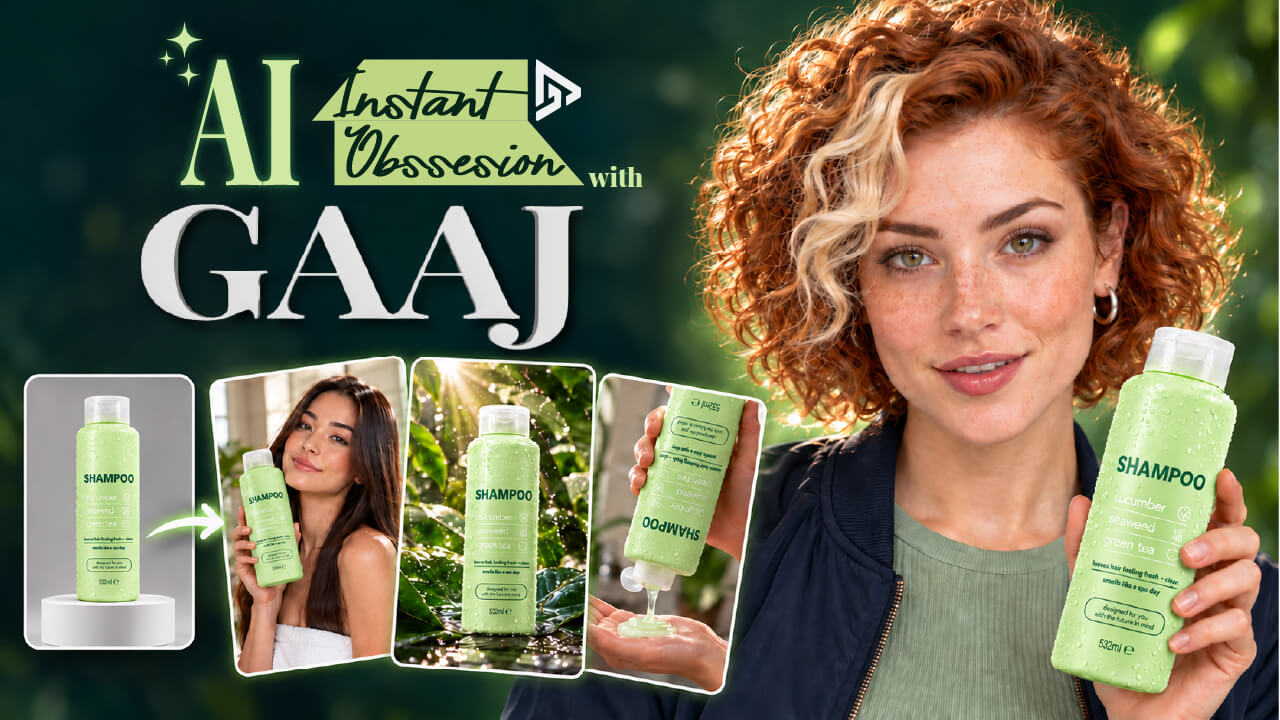
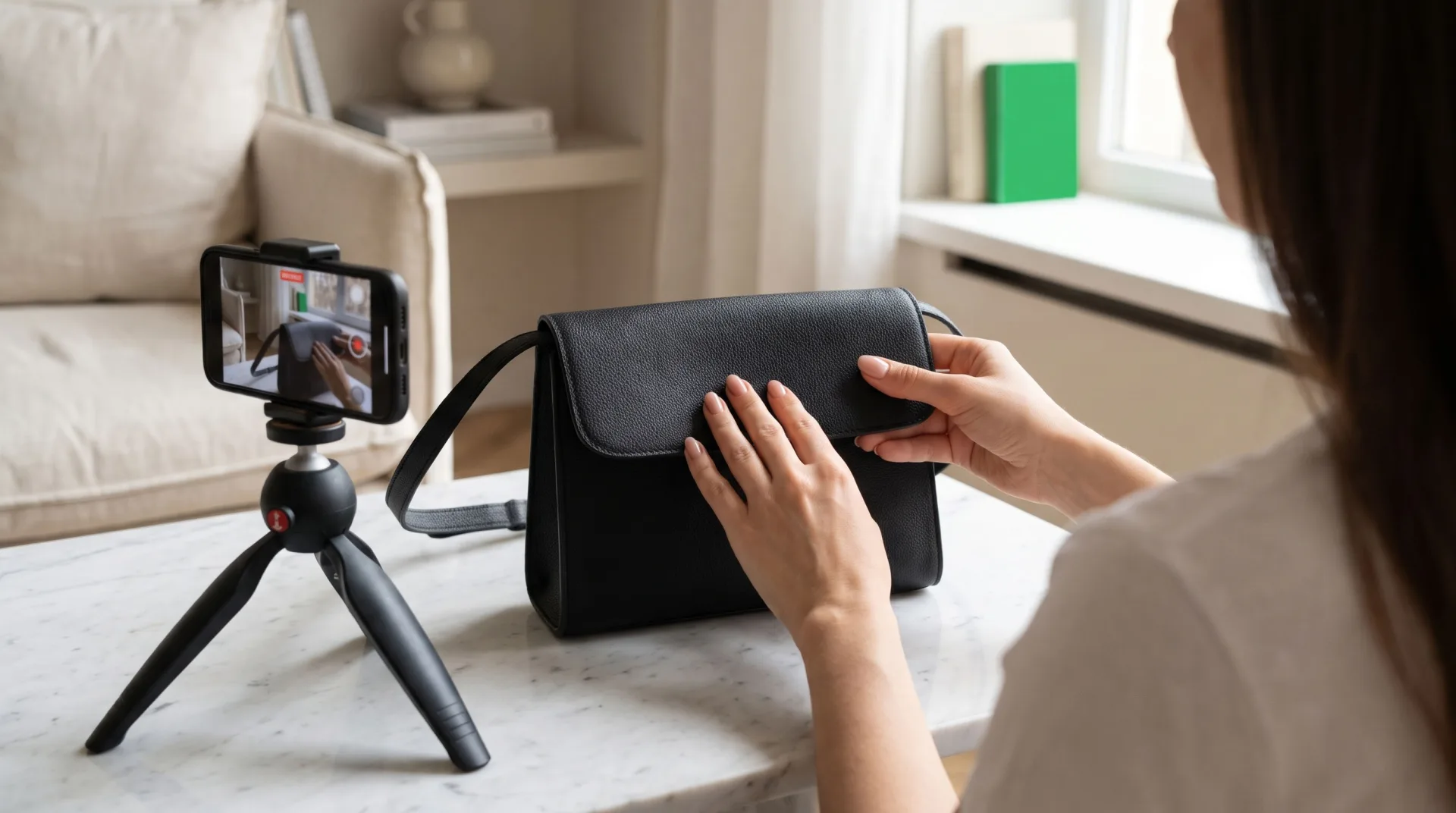
UGC-style ads look like something a real person filmed on their phone. Someone talks to the camera, shows a product, maybe opens a box at their kitchen table. On social platforms they often outperform polished brand videos, because they don't look like ads at first glance. AI UGC ads bring that format to brands that want more control over how it looks.
For a luxury brand, that's a tricky fit. Luxury depends on looking considered and a little out of reach. A shaky phone video in a messy room can undo years of brand building in a few seconds.
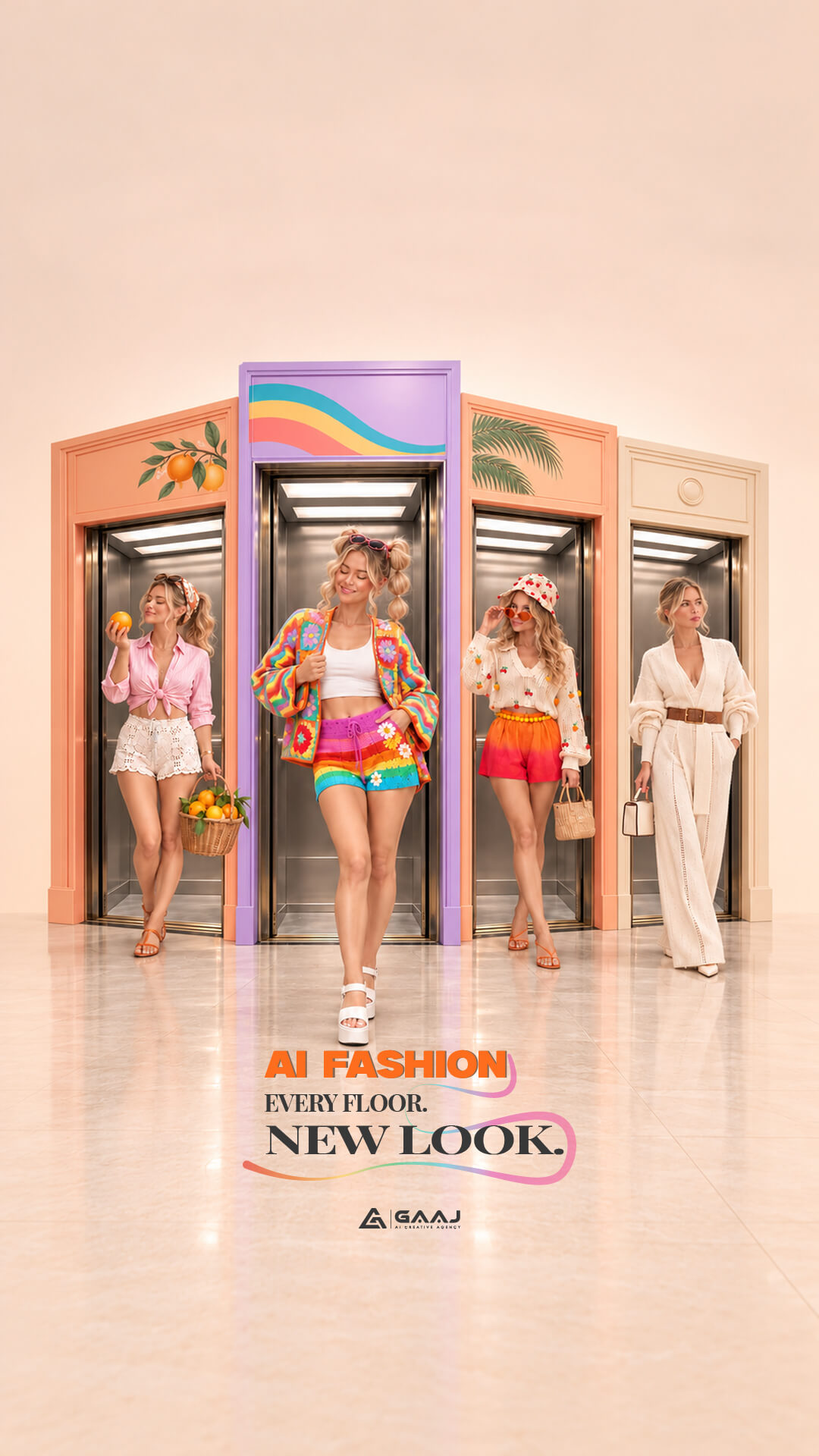
Done well, AI changes the equation. A brand can control the setting, the person, the script and the product in every frame, while keeping the personal feel that makes the format work. This guide covers why UGC-style content suits luxury when it's done carefully, where AI helps, and the honesty rules every brand needs to follow.
Why does UGC-style content work?
People trust people more than they trust brands. According to figures compiled byBillo from Nielsen and Forrester research, a large majority of consumers trust recommendations from other people over branded content, and many rate user-generated content as the most authentic format online.
UGC-style ads borrow that feeling. They show a product in a real-looking moment of someone's life, from their point of view. That's very different from a commercial telling you how good something is.
The format is the message
Part of what makes UGC work is how it's filmed. Eye-level angles, natural light, a person speaking directly to you. Viewers read these signals as "this is real life," and they relax the guard they keep up against advertising.
Why luxury brands hesitate
Most UGC on social media is filmed in ordinary homes with ordinary lighting. For a brand that sells a $3,000 handbag or a fine watch, that context can drag the product down. The risk isn't the format. It's the execution.
What are AI UGC ads?
AI UGC ads are UGC-style videos where the person, the setting, or both are generated with AI rather than filmed. The result looks like a creator's phone video, but every element has been designed.
Traditional UGC means finding creators, shipping products, waiting for footage and hoping it's usable. Quality varies a lot. AI production removes that uncertainty. The brand decides exactly who appears, where they are and what they say.
Control over the setting
The setting tells viewers what kind of life comes with the product. A bright apartment with tall windows and a few chosen objects says something very different from a cluttered bedroom. With AI, the setting is part of the creative plan, not whatever a creator happens to have at home.
Control over the product
Generated footage built from good reference photos can show the product exactly as the brand wants: the right color, the right finish, the right angle. Getting this right does take care, especially with small logos and fine textures, but it's a problem the team can solve before the ad goes out.
How do you keep AI UGC feeling premium?
The line between aspirational and cheap is thin. These are the choices that decide which side an ad lands on.
Choose the person carefully
The person on screen should look like the customer the brand wants. For most luxury brands, calm and confident works better than loud and excited. Think of how a well-dressed friend would recommend something to you, not how a shopping channel host would.
Write specific, honest scripts
Real recommendations mention small details: the weight of a bag, the click of a clasp, how a scent changes after an hour. Generic praise like "this is amazing, you need it" sounds fake no matter who says it. Specific details make the video believable.
Keep it slightly imperfect
If the "phone video" has studio lighting and perfect cinematic depth of field, viewers stop believing it's a phone video. The look should be clean but natural. A little handheld movement, real window light, a frame that isn't perfectly centered.
Check the hands
Hands are still where generated video goes wrong most often. In UGC-style ads, hands are everywhere: opening boxes, holding bottles, turning watches. Every one of those moments needs careful checking before delivery.
Which AI UGC ad formats suit luxury brands?
Not every UGC format fits a premium brand. Some feel too casual or too salesy. These formats tend to work well because they show the product in a refined moment without pretending to be a review.
Getting ready
A short routine before dinner, an event or a trip, with the product as one part of it. A fragrance, a watch, a pair of earrings. The viewer sees how the product fits into a polished evening, which is exactly the picture a luxury brand wants to leave.
Slow unboxing
Fast, noisy unboxings belong to a different market. A luxury version is slower and quieter: the weight of the box, the tissue paper, the first look at the piece. Sound design matters a lot here, from the rustle of paper to the soft click of a clasp.
Styling ideas
"Three ways to wear it" or "from day to night" videos show versatility, which helps justify a high price. They also give the brand several moments to show the product from different angles in one video.
Gift guides
Before holidays and key gifting dates, a presenter walking through gift ideas feels helpful rather than pushy. These AI UGC ads work especially well when they're made for each market's own gifting calendar.
What can go wrong with AI in luxury advertising?
Luxury audiences are quick to judge, and AI is a sensitive topic. Recent campaigns show how fast things can turn.
When the AI becomes the story
In December 2025,Valentino released an AI reel for a handbagfull of morphing bodies and surreal shapes. Commenters called it disturbing, lazy and cheap, and some said it felt off-brand. Valentino had labeled the work as AI-generated, but that didn't calm the reaction. The lesson for UGC is that viewers should notice the product and the moment, not the technology.
Beauty audiences are the hardest to win
Attitudes vary by category. A 2026 survey by theAdvertising Business Group in the UAEfound that acceptance of AI influencers was highest in gaming, technology and entertainment, and lowest in beauty and skincare. Brands in sensitive categories need to be especially careful about what they show and claim.
What are the honesty rules for AI UGC ads?
This part isn't optional. UGC-style ads made with AI are fine. Presenting a generated person as a real, independent customer is not.
No fake testimonials
In the United States, the FTC's rule on fake reviews, in force since October 2024, bans testimonials that misrepresent who the reviewer is or whether they exist, andit explicitly covers AI-generated reviews. Other markets have similar consumer protection rules. An AI character saying "I bought this and it changed my skin" crosses that line.
Use formats that are honest by design
Plenty of UGC-style formats don't depend on pretending to be a customer. "Three ways to wear it," "what fits inside," a morning routine, a packing video, gift ideas before the holidays. These show the product in use without claiming a personal review.
Disclose AI where it matters
The same UAE survey found that around three in four respondents want brands to clearly disclose when AI is used. Platforms are adding AI labels too. Being upfront protects the brand far more than hiding it does.
If you're thinking about a recurring character rather than one-off videos, our guide toAI brand ambassadorscovers how to build one. For the bigger question of AI characters versus real creators, seeAI influencer vs human creator.
Is AI UGC right for your brand?
AI UGC ads give luxury brands the personal, scroll-friendly feel of creator content without giving up control over how the brand looks. They work when the setting, person and script are chosen with care, when every hand and label is checked, and when the ad is honest about what it is.
UGC-style videos are one of GAAJ's four services, made with AI and positioned for premium and luxury brands. Each one starts with a character and set designed for the brand and a script written to sound like a person. Read more on ourUGC-style videos page, orbook a callto talk about testing the format for your brand.