AI Influencer vs Human Creator: Which Should Your Brand Use?
Comparing AI influencers and human creators on trust, control, reach and risk, and when to use both
AI influencers vs human creators compared on trust, control, reach and risk, with recent research and the disclosure rules brands need to know.
A few years ago, the question for brands was which creators to work with. Now there's a second question: should the face of your next campaign be a real person at all? The AI influencer vs human influencer question is now a real budget decision.
AI influencers and AI-generated presenters have moved from novelty to a real option. Some have built large audiences and paid brand deals. At the same time, many viewers say they prefer real people, and regulators are paying closer attention to how AI characters are used in advertising.
This guide compares an AI influencer vs a human influencer on the things that matter to a brand: trust, control, cost of time, reach and risk. The answer isn't the same for every brand, and often the best choice is a mix of both.
What's the difference between an AI influencer and a human creator?
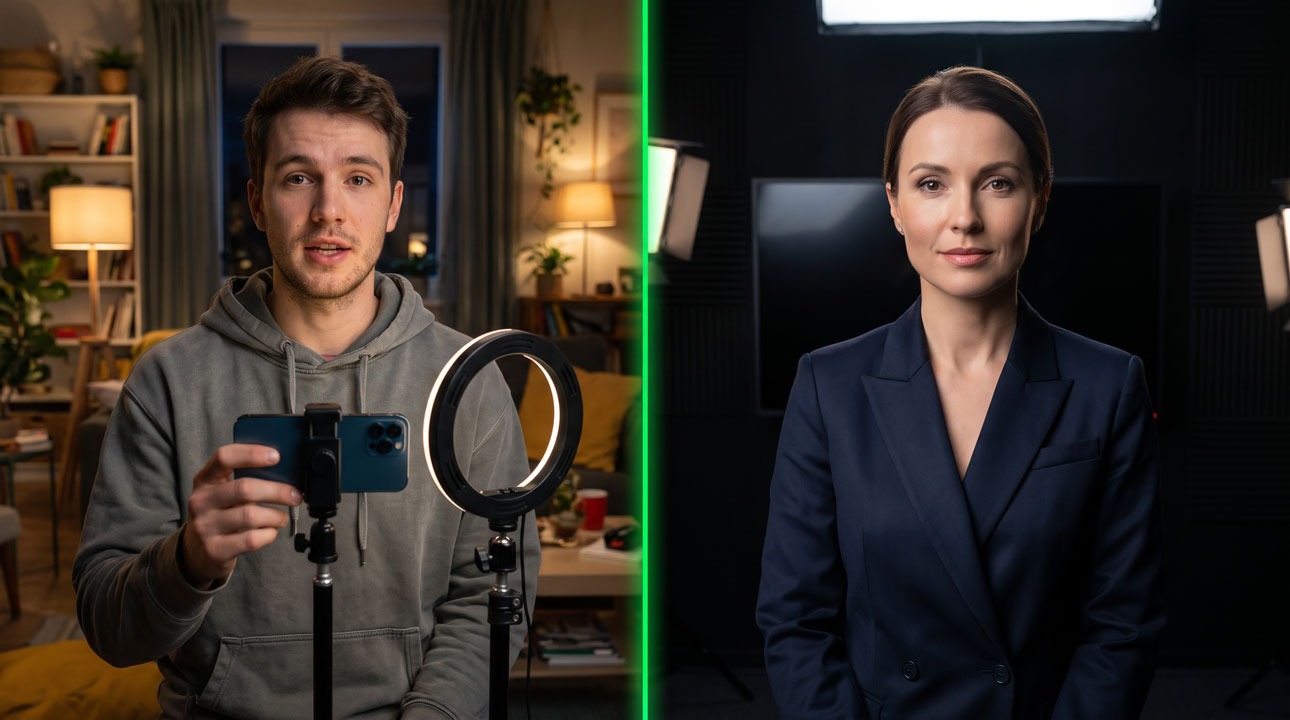
A human creator is a real person with their own life, opinions and audience. When they recommend a product, viewers assume they've actually used it. That assumption is the source of their value.
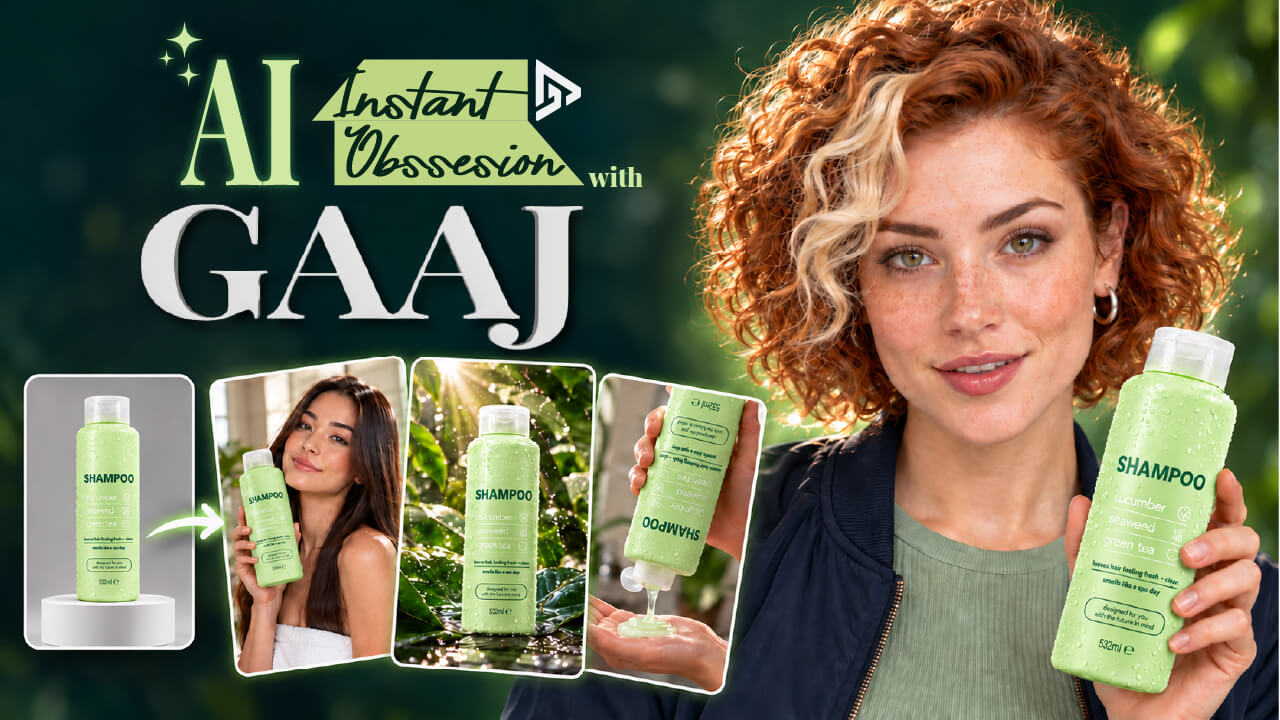
An AI influencer is a generated character. Someone designs its look, voice and personality, writes or approves what it says, and produces every image and video. It can have a large following, but everything it does is planned by a team.
A third option: brand-owned AI talent
There's also a middle path. Instead of hiring an AI influencer with its own account, a brand can create its own AI presenter that appears only in the brand's content and ads. We cover this approach in detail in our guide toAI brand ambassadors.
Digital twins blur the line
Some creators now license digital twins of themselves, an AI version that can appear in content they didn't film. InBillion Dollar Boy's 2025 research, most creators said they were open to building a digital twin with a brand, but more than half of consumers said digital twins erode trust in creator content. Creators and their audiences don't see this the same way.
AI influencer vs human influencer: which do consumers trust more?
The research doesn't give one clear answer, which is itself useful to know.
The case for AI influencers
The same Billion Dollar Boy study, which surveyed thousands of US and UK consumers, found that a large majority said they trust virtual influencers for product recommendations. For some audiences, especially younger ones used to digital characters in games and online spaces, an AI personality isn't strange.
The case for human creators
A 2026 survey in the UAE by theAdvertising Business Grouppaints a different picture. More than half of respondents strongly preferred human influencers. About a third said they'd be less likely to buy something an AI influencer recommended, slightly more than those who'd be more likely. Acceptance was highest for gaming, tech and entertainment, and lowest for beauty and skincare.
Category and market matter most
Put together, the data says trust depends on what you sell and where. A gaming accessory brand in the US and a skincare brand in the Gulf face very different audiences. Test before you commit a whole campaign to either approach.
How do AI and human influencers compare on control?
This is where AI characters have a clear advantage.
Scheduling and reliability
Human creators get sick, travel, change their minds and sometimes miss deadlines. When the Spanish agency The Clueless created the AI model Aitana López, its founder said it was partly becauseprojects kept being delayed or canceledfor reasons outside their control. An AI character is available whenever the brand needs it.
Message and brand safety
A human creator has a life outside your campaign. Something they say or do next year can attach itself to your brand. An AI character only says what's approved. That predictability is attractive, especially for brands in regulated or conservative markets.
Consistency across markets
An AI presenter can deliver the same message in several languages with the same face. A human creator usually reaches one language community. For brands selling across regions, that difference can be big.
Where do human creators still win?
Control isn't everything. Real people bring things an AI character can't.
Real experience
A human creator can honestly say they've used a product for months. An AI character can't, and shouldn't pretend to. For products where personal experience is the whole point, like skincare results or fitness gear, real creators carry a weight that generated characters don't.
An existing community
Established creators come with an audience that already trusts them. Their followers comment, ask questions and buy on their recommendation. Building that kind of relationship around an AI character takes time, and it may never reach the same depth.
Cultural nuance
Creators who live in a market understand its humor, slang and sensitivities from the inside. That's hard to replicate, even with a well-written script.
What are the risks with AI influencers?
Using AI characters in advertising comes with rules, and they're getting stricter.
Fake testimonial rules
In the US, the FTC's rule on fake reviews and testimonials, effective since October 2024,covers testimonials from people who don't exist, including AI-generated ones. An AI character presenting itself as a real customer with real results is exactly what the rule targets.
Disclosure expectations
In the UAE survey, around three in four respondents wanted brands and creators to clearly say when AI is used. In the EU, the AI Act's transparency rules for realistic AI contentstarted applying in August 2026. Hiding AI use is becoming both a reputational and a legal risk.
Likeness
An AI character must be original. Generating something that looks like a real celebrity or creator without permission can bring legal claims, and it damages trust when people notice.
How do you decide between an AI influencer and a human influencer?
Four questions usually settle the AI influencer vs human influencer decision for a specific campaign.
What are you selling?
If the product's value depends on personal results over time, like skincare, supplements or fitness programs, real people with real experience are hard to replace. If the product is easy to show and explain, like a gadget, an app feature or a fashion piece, an AI character can present it well.
Who are you selling to?
Younger audiences used to digital characters may accept an AI presenter easily. Audiences in categories with low acceptance, or in markets where people strongly prefer human voices, may not. Look at research for your market, then test with your own customers.
How much content do you need?
One campaign a year with a well-known creator is a very different job from three new videos a week in three languages. The more volume and variation you need, the more an AI presenter makes sense.
How much control do you need?
If your category is regulated or your brand can't risk off-script moments, an AI character's predictability is a real advantage. If spontaneity and personality are the point, a human creator brings something no script can.
Can you use both?
Many brands will end up with a mix, and that's often the smartest setup.
Humans for trust, AI for scale
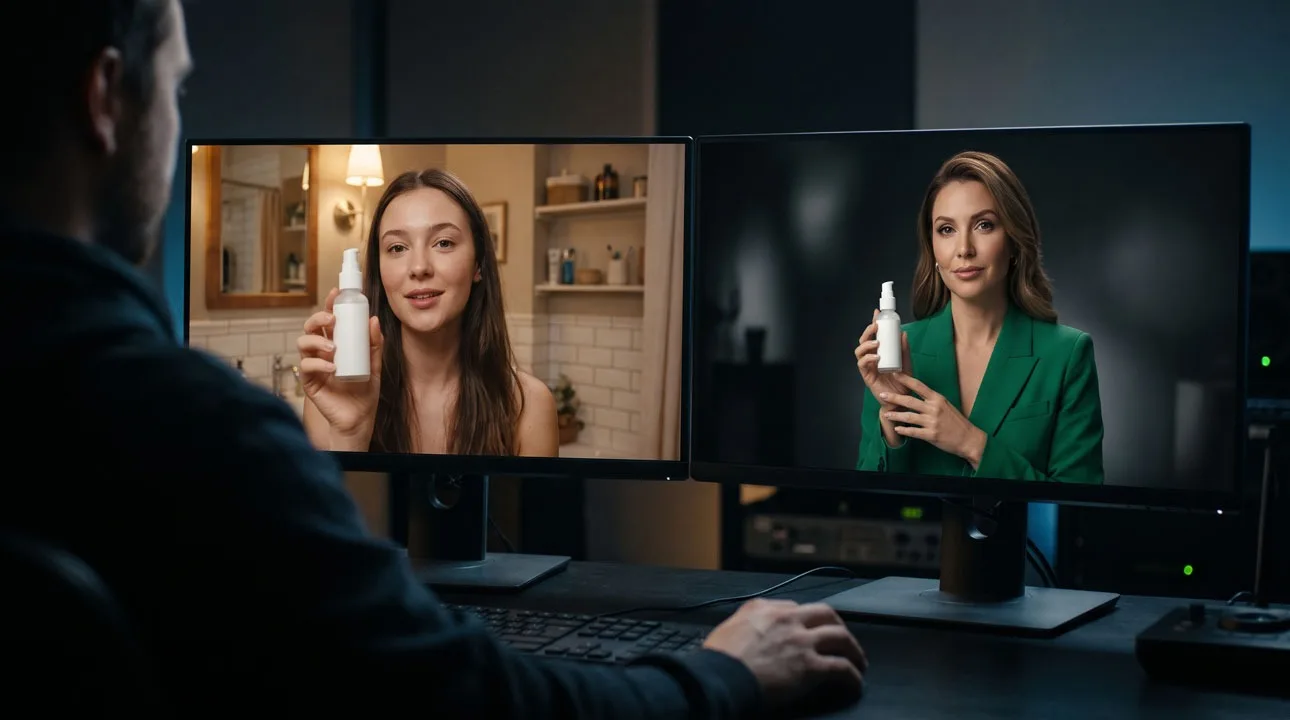
Real creators can handle reviews, personal stories and community-building, where lived experience matters. An AI presenter or AI-made UGC-style content can handle product explainers, frequent social ads, seasonal variations and language versions, where consistency and volume matter.
Test before you decide
Run a small test with both approaches on the same product and the same platform. Compare watch time, clicks and conversions. Your own audience's response is better evidence than any survey.
For more on UGC-style content made with AI, readAI UGC ads for luxury brands.
Choosing the right face for your brand
An AI influencer vs a human influencer isn't a contest one side wins for everyone. Human creators bring real experience and real communities. AI characters bring control, consistency and reach across languages. Trust depends heavily on your category and market, and honesty about AI use is no longer optional.
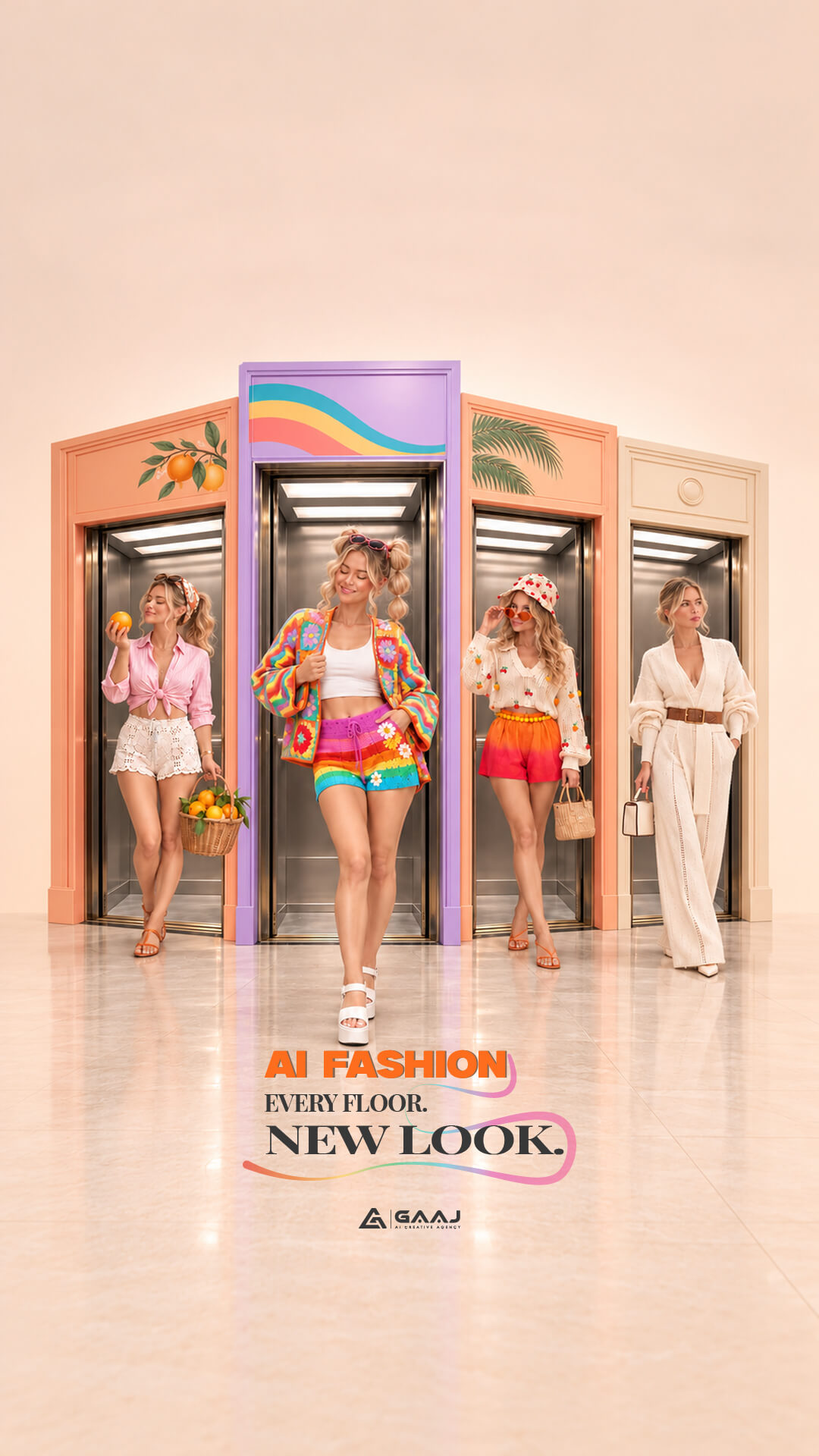
GAAJ createsAI talentandUGC-style videosfor brands that want consistent, on-brand faces in their ads. If you're weighing the options for your next campaign,book a calland we'll help you work out where AI fits.