Multilingual Video Ads: Localizing Into Arabic and French With AI
How to localize video ads into Arabic and French with AI voice and lip-sync, and a workflow that keeps quality high
How brands can localize video ads into Arabic and French with AI voice and lip-sync, what translation tools still miss, and a workflow that keeps quality high.
Many brands that sell across the Gulf, North Africa and Europe end up with one strong English ad and a pile of weaker local versions. The Arabic cut has a voiceover that doesn't match anyone's mouth. The French version runs subtitles over scenes paced for English. Viewers can't always say what feels off, but they notice. Good AI video localization fixes that.
Doing localization properly used to mean separate shoots, separate talent and separate budgets for each market. That put it out of reach for most mid-size brands.
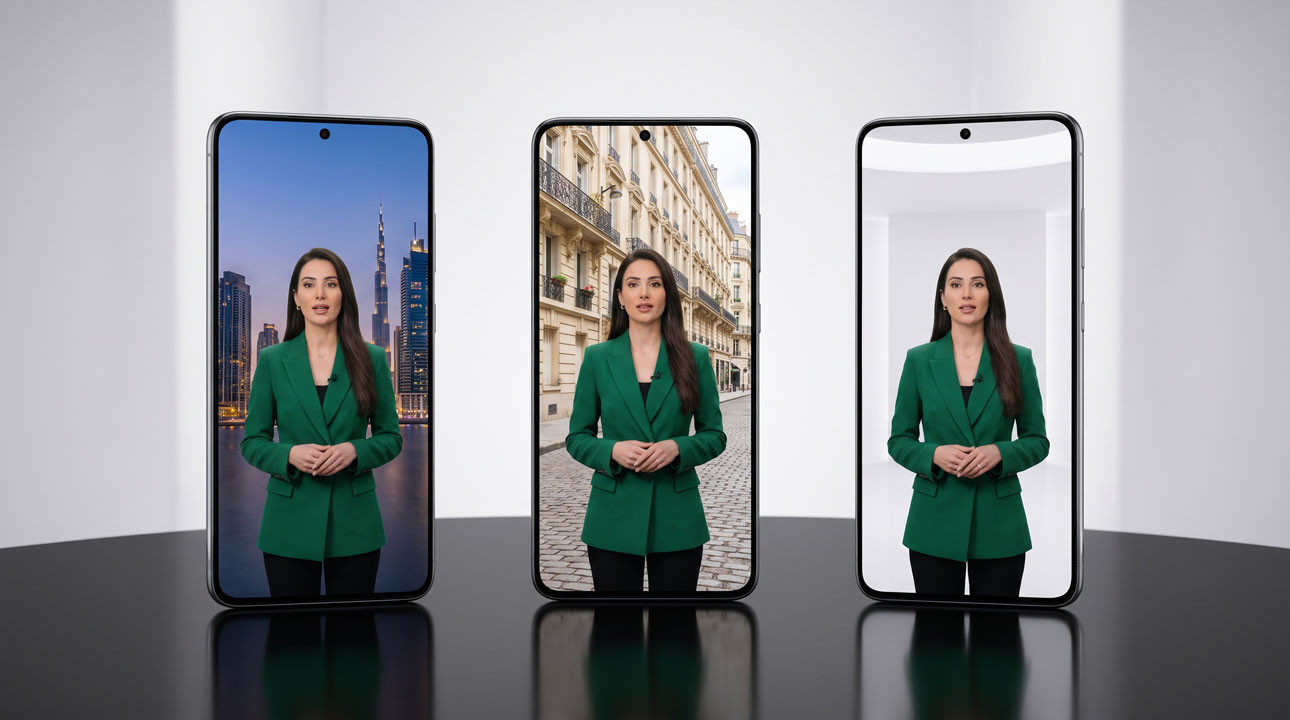
AI changes what's practical here. The same presenter can speak Arabic in Riyadh and French in Paris, with matching lip movement, in settings that fit each market. This guide covers why language matters for ads, what AI handles well, what translation tools still get wrong, and a workflow that keeps quality high.
Why do ads need to be in the viewer's language?
People buy more readily when they understand what they're buying in their own language. In a survey of more than 8,700 consumers across 29 countries,CSA Research foundthat 76% prefer to buy products with information in their own language, and 40% never buy from websites in other languages.
Video makes this even more important. An ad in a viewer's own language, spoken by someone who seems to belong in their world, feels like it was made for them. A translated ad with mismatched audio feels like an afterthought.
Subtitles aren't enough
Subtitles help, especially for sound-off viewing. But they ask viewers to read while watching, and on a small phone screen that splits attention. For ads where a person speaks to camera, matching voice and lip movement in the viewer's language makes a big difference in how natural the ad feels.
Platforms are moving toward it
Meta has been rolling outAI translation with lip-sync for Reels, adding French on Instagram in July 2026 and announcing Arabic and French for Facebook. Automatic dubbing on platforms will keep improving. For ads, though, a version made deliberately for each market is still the stronger choice.
What can AI video localization handle?
AI tools now cover most of the technical side of localization. The craft is in using them well.
Voice
Voice models can produce natural speech in many languages. ElevenLabs, for example, lists85 supported languages for its v3 model, including Arabic and French. A presenter can keep the same voice character across languages, so they sound like one person everywhere.
Lip-sync from the start
When the presenter is AI-generated, the video can be produced with mouth movements that match each language from the beginning, instead of dubbing over footage made for English. The result looks native rather than dubbed.
Visual adaptation
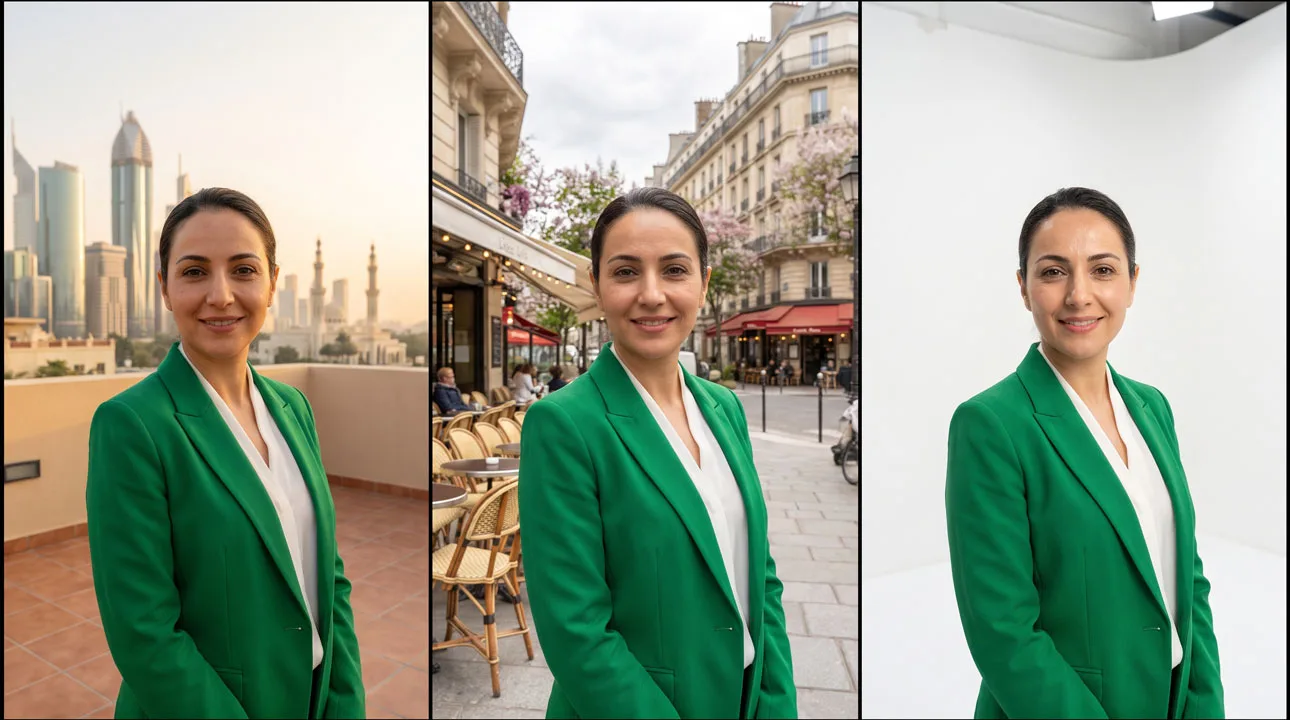
A street scene can move from London to Dubai or Lyon. Clothing, props and background details can change to fit each market. With filmed ads, each of these would mean another shoot. With AI production, they're part of the same project. We cover how one character can serve several markets in our guide toAI brand ambassadors.
What do translation tools still get wrong?
Machines can get the words right and the meaning wrong. These are the areas where native speakers are still essential.
Arabic isn't one register
Modern Standard Arabic sounds formal. It suits news-style or corporate content and works across countries. Gulf, Egyptian, Levantine and Maghrebi dialects feel closer and warmer, and an ad for young viewers in Riyadh or Cairo can sound stiff in formal Arabic. Decide the register per market, and have a native writer adapt or approve the script.
French isn't one market
France, Belgium, Switzerland, Quebec and North Africa share a language but not the same expressions. A joke or slang word that lands in Paris can fall flat in Casablanca or Montreal. Writers who know the specific market catch these differences.
Length changes
Arabic text is often shorter than English, and French is usually longer. A script timed to a 15-second English cut can run long in French. Good localization rewrites lines to fit the timing rather than speeding up the voice until it sounds rushed.
How do you handle right-to-left design?
Arabic reads right to left, and that affects more than the text.
Mirror text and motion
Captions, titles and lower thirds need to read correctly, and animations that imply direction, like an arrow pointing to the next step or a progress bar, usually need to be flipped. An ad where the text reads right to left but the motion still flows left to right looks careless to Arabic speakers.
Pick the right typeface
Many Latin fonts don't have matching Arabic versions. Choose an Arabic typeface that fits the weight and feel of your brand font, so the Arabic version looks like the same brand.
What cultural details should you check?
Language is only part of localization. The picture has to fit too.
People and dress
Viewers relate more easily to people who could plausibly live in their city. Clothing and modesty norms vary by market and audience, and the cast and wardrobe should reflect that.
Gestures, food and settings
Some hand gestures are harmless in one country and rude in another. Food and drink in a scene should be acceptable and appealing locally. Settings should feel familiar rather than generic.
Seasons and moments
Ramadan and Eid campaigns have their own visual language and timing in the Gulf. Back-to-school and summer holidays follow different calendars in France. A localized campaign should follow the local calendar as well as the local language.
Be open about AI
Expectations around disclosure are high in the region. In a 2026 survey by theAdvertising Business Group in the UAE, around three in four respondents said brands should clearly disclose AI use. Being upfront about an AI presenter is the safer path in every market.
Which ads should you localize first?
You don't have to localize everything at once. Start where AI video localization makes the biggest difference.
Ads with a person speaking
Ads where someone talks to camera suffer most from poor translation, because mismatched voices and lips are easy to notice. These gain the most from native voice and lip-sync, so they're usually the first to localize.
Your best performers
An ad that already works in one market is a strong candidate for others. The concept is proven, so localization is a lower-risk way to grow than starting from scratch in each country.
Seasonal campaigns
Campaigns tied to local moments, like Ramadan in the Gulf or the summer sales in France, need to feel native to work at all. Planning them as localized from the start is easier than adapting an English version at the last minute.
What does a good localization workflow look like?
A simple process prevents most problems.
Write the master script for translation
Short lines, few idioms, no wordplay that only works in English. This makes every later version easier and better.
Adapt, don't just translate
Native writers in each market rewrite the script so it sounds local, then the voice and lip-sync are produced for each language.
Adapt the visuals where it matters
Change settings, people, props and on-screen text for each market where the ad calls for it.
Have a native speaker review the finished video
A native reviewer should watch the final cut. A line can be correct on paper and still sound wrong over a particular shot. This step catches most problems.
For the platform side of multilingual campaigns, see our guide toAI social media ads for Reels, TikTok and Shorts.
Speak to every market in its own language
AI video localization makes it realistic for mid-size brands to run campaigns that feel made for each market. It works when native speakers shape the script, when right-to-left design is handled properly, and when visuals and cultural details fit the audience.
GAAJ makescommercials,social ads,UGC-style videosandAI talentfor brands selling internationally. If you're planning a campaign in English, Arabic or French,book a calland let's plan the languages in from the start.