Newsroom
Black Forest Labs Releases FLUX 3 Image Klein for 4K Image Editing
A compact 5.6B image model with 4K output, 10 references and precise editing that runs on 8GB GPUs
FLUX 3 Image Klein is a 5.6B image model with 4K output, 10 references and precise editing that runs on 8GB GPUs. What's new and why it matters for brands.
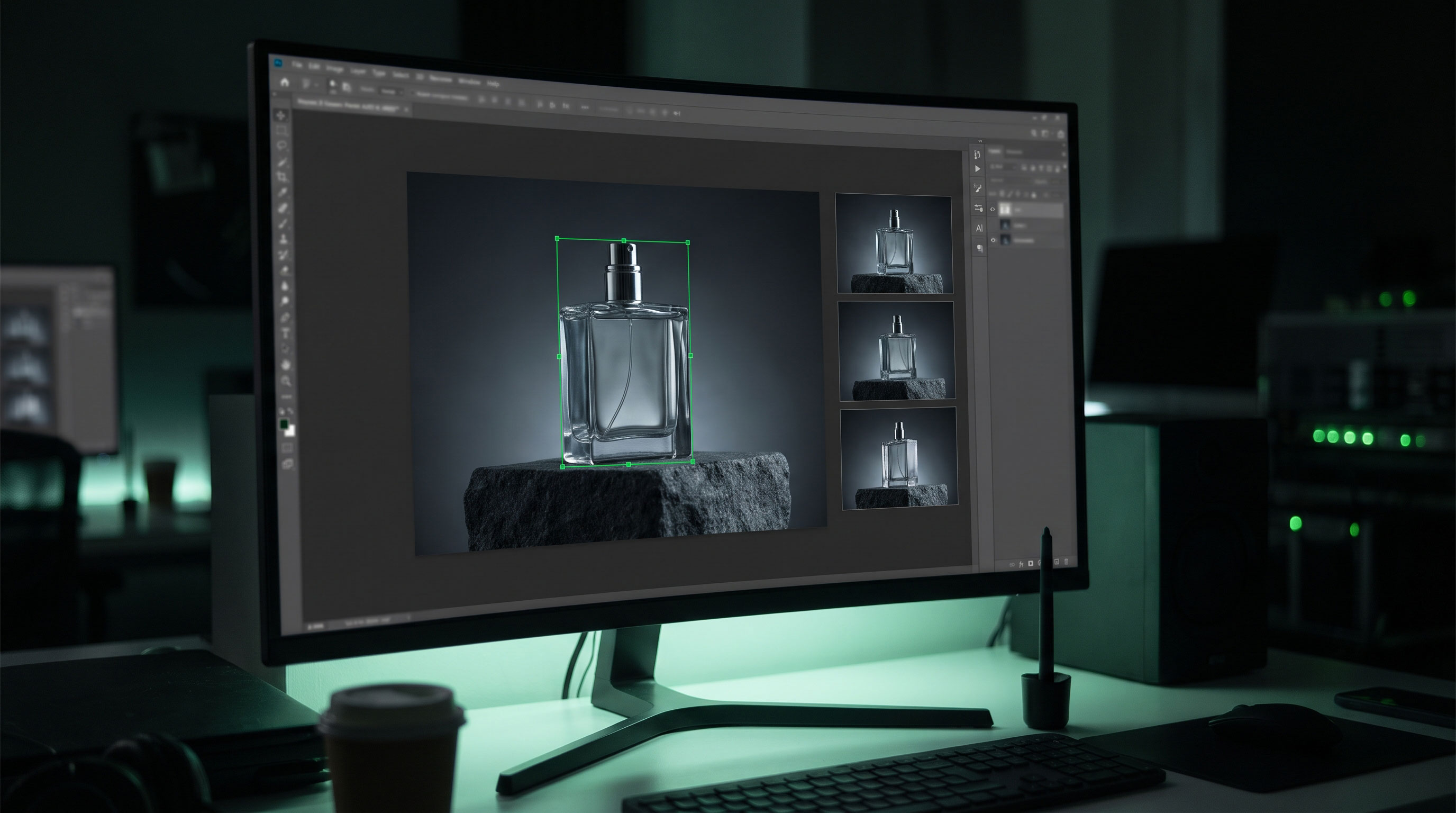
Black Forest Labs has released FLUX 3 Image Klein, a new image model that can generate and edit images at up to 4K resolution. It launched on October 15 with downloadable weights and API access on the same day.
The model is relatively small, at 5.6 billion parameters, and it's built to run on ordinary hardware.According to Technobezz, a compressed version runs on NVIDIA GeForce RTX graphics cards with as little as 8GB of video memory. Black Forest Labs worked with NVIDIA on several of the model's formats.
Built for editing and references
FLUX 3 Image Klein accepts up to 10 reference images in one request. That matters for brand work, where the same product, person or style has to appear across many images.
The editing tools are also more precise. Users can draw bounding boxes to set where an element should appear or to limit changes to one part of an image, while the rest stays untouched. This makes it easier to swap a background, adjust a product's placement or fix one detail without regenerating the whole picture.
The model comes in two versions: a base checkpoint for fine-tuning, and a faster distilled version that's served through the API. Teams can train their own adapters on top of it, for example to capture a brand's visual style.
License and price
The model is released under the FLUX Kommunity License. It allows free commercial use for individuals and businesses with annual revenue under $5 million. Larger companies need to use the paid API or a self-hosted license. API pricing starts at $0.009 per image at 1K resolution.
Black Forest Labs says the model improves on its previous small model in both editing and text-to-image quality while using fewer parameters. These figures come from the company's own tests and haven't been independently verified.
Why it matters for brand visuals
High-quality still images are the starting point for a lot of AI video work. Many production teams create a key frame first, then turn it into motion with a video model. An image model that keeps a product consistent across several references, and edits precisely, makes those first frames easier to get right.
For smaller brands, the license also matters. Free commercial use under the revenue threshold, together with modest hardware needs, puts capable image tools within reach of teams without large budgets. As always, the license terms should be checked before images are used in paid campaigns.
For more on keeping products accurate across visuals, read our guide toAI product videos for e-commerce brands.