Newsroom
ChatGPT Ads Expand to 89 Countries as Advertisers Pass 100,000
OpenAI has taken ChatGPT ads to 26 more countries, with more formats and measurement tools on the way
OpenAI has taken ChatGPT ads to 26 more countries, 89 in total, and says over 100,000 advertisers have run campaigns. What's new and what it means for brands.
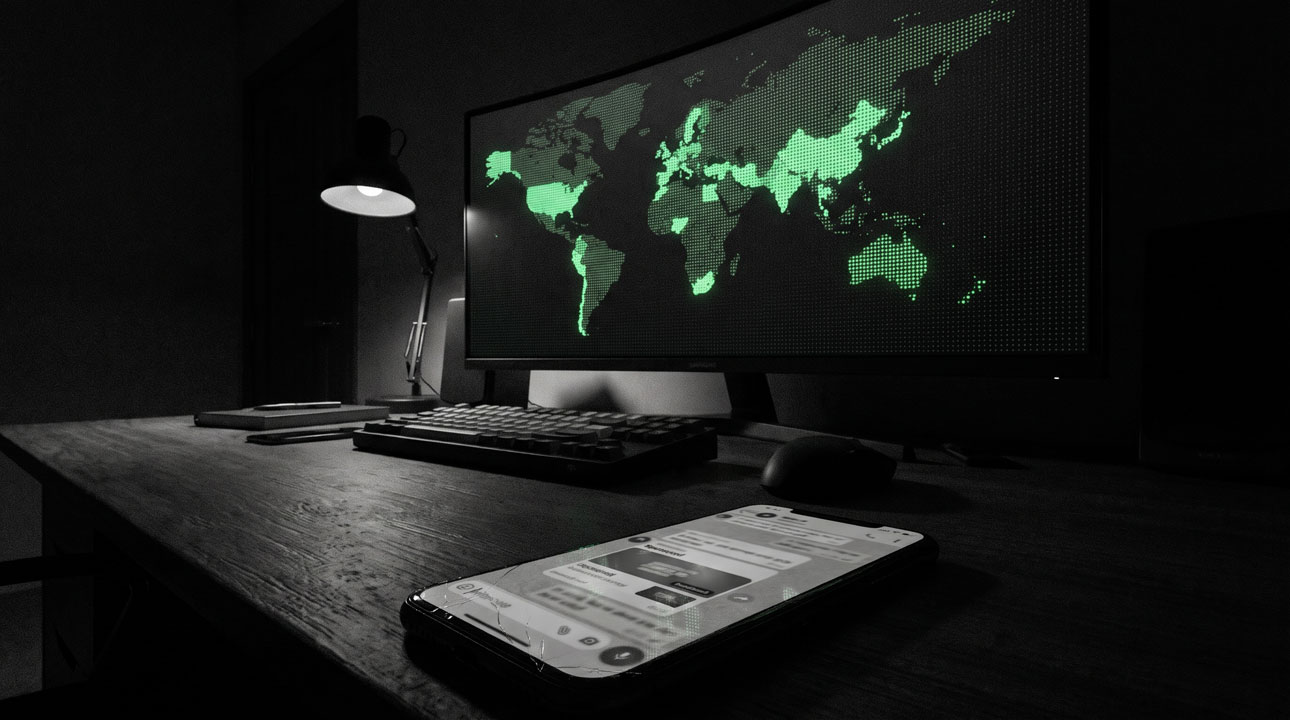
OpenAI has expanded ChatGPT ads to 26 more countries, bringing the total to 89. The company announced the expansion on October 21 and said more than 100,000 advertisers have run campaigns on ChatGPT since ads launched a little over eight months ago.
According toPPC Land, the new markets include 14 countries in Latin America, among them Argentina, Chile, Colombia and Peru, along with countries such as Nigeria, South Africa, Serbia, Ukraine, Cambodia, Bangladesh and Pakistan. Advertisers can buy in the new markets through technology partners or self-serve through ChatGPT's Ads Manager.
Fast growth in advertisers
The advertiser number has grown quickly.MediaPost reportedthat OpenAI's count rose from about 60,000 advertisers on October 7 to 100,000, a jump of roughly two thirds in two weeks.
The figure is cumulative. It counts every advertiser that has run a campaign, not how many are active now, and OpenAI hasn't shared spending figures. Even so, the pace shows how many brands are willing to test a new ad channel inside an AI assistant.
Who sees the ads
Ads still appear only for users on ChatGPT's Free and Go plans. Plus, Pro and Enterprise users don't see them. OpenAI says ads are clearly labeled and don't influence ChatGPT's answers.
Advertisers can already use CPM and CPC bidding, pixel tracking and a conversions API. OpenAI says more formats, campaign objectives and measurement tools are planned, without giving dates. One of those formats is thevisual ad shown during image generation, which is being tested in the US first.
What it means for brands
ChatGPT is turning into a real ad channel, and it's moving into new regions fast. For brands selling internationally, that means one more place where customers may meet them, often at the moment they're researching a purchase.
Ads in an AI assistant are different from search or social ads. People arrive with a specific question, and the ad sits next to a conversation. Clear, useful messaging fits that setting better than loud promotion. As visual formats arrive, strong product imagery and short, clean video will matter more.
Brands thinking about the channel should test with small budgets, measure against their existing channels and build their visual assets in the meantime. For a structured approach to testing new placements, read our guide toAI ad creative testing.