Newsroom
Advertisers Move to Keep Ads Away From AI Slop on YouTube
Pixability is filtering low-quality AI channels out of YouTube ad buys as brands face scrutiny from both directions
Pixability is filtering low-quality AI channels out of YouTube ad buys. Why AI slop has become an ad problem, and what it means for brands making AI video.
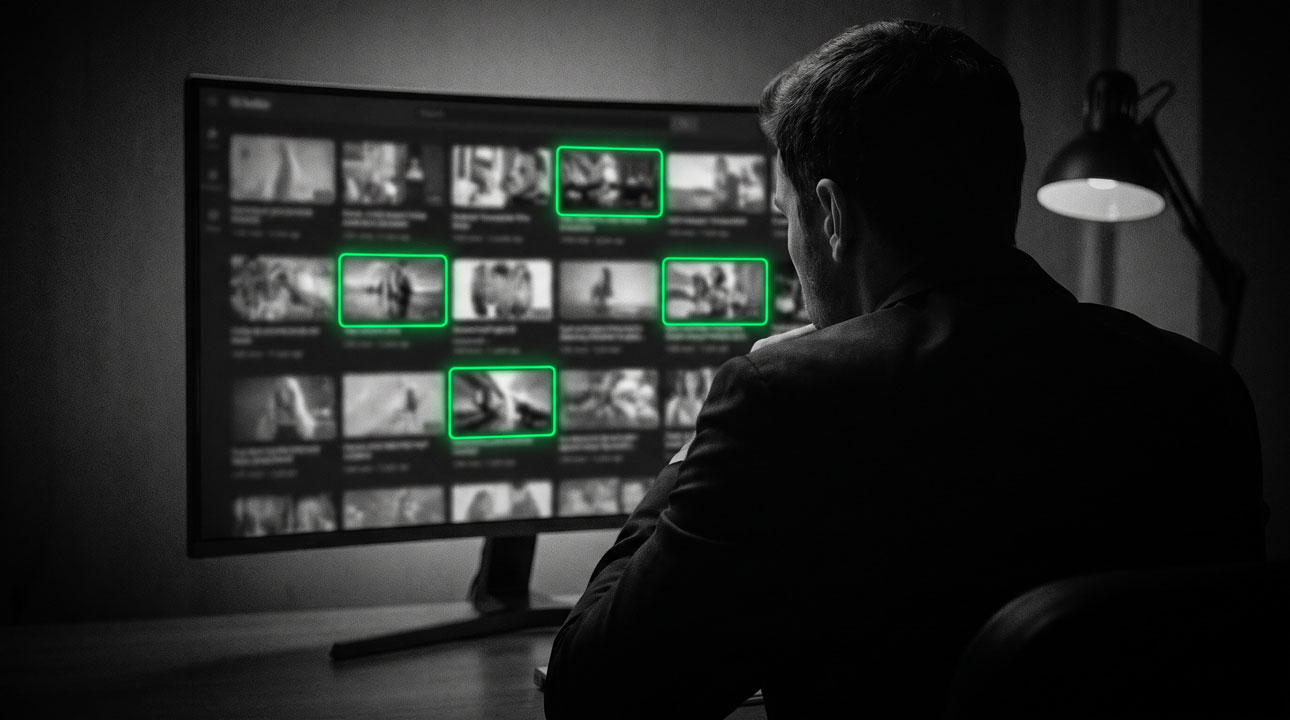
Low-quality AI video has become an advertising problem as well as a viewer complaint. Pixability, a company that plans and buys YouTube campaigns for brands, is now filtering what it calls "AI slop" out of the channels its clients' ads appear on.
According toDigiday, Pixability's definition covers made-for-advertising content, misleading material, clickbait and so-called brain rot. That content is removed from ad buys automatically. The company says it combines AI classification with human checks and reviews billions of videos across tens of millions of channels.
Not a ban on AI
Pixability was clear that the goal isn't to block all AI content. Plenty of AI-assisted channels are legitimate and well made. The aim is to keep brand ads away from cheap, repetitive uploads produced only to collect ad revenue.
MarTech's rounduplisted the launch on October 8. Pixability also runs pixie, an AI system that builds YouTube campaigns around channels it considers suitable for a brand.
Why this is happening now
The volume of AI video on YouTube has grown quickly. Digiday cited estimates from the video platform Kapwing that between 21% and 33% of YouTube feeds are AI-generated, with part of that counted as slop.
YouTube itself has acknowledged the problem. In his 2026 letter to creators, CEO Neal Mohan named low-quality AI content as a concern and said the platform would build on its existing spam and clickbait systems to reduce it,as Storyboard18 reported.
The other side for brands
Brands are now judged from both directions. They don't want their ads placed next to junk, and they don't want their own AI-made ads to look like junk either. As viewers and media buyers get better at spotting slop, a careless AI ad can cost more in brand perception than it saves in production.
The signs that give slop away are familiar: the same glossy lighting in every shot, slow drifting camera moves, strange hands, half-formed text in the background and visuals with no clear story. Avoiding them comes down to planning, editing and human review before anything goes live.
Brands using AI video should expect more scrutiny from platforms, ad buyers and audiences in the months ahead. The safest position is to treat AI as a production tool and hold the result to the same standard as any filmed ad.
For a practical look at keeping AI ads at a premium standard, read our guide toAI commercials.