AI Commercials: How Brands Make a Commercial Without a Shoot
What an AI commercial is, how it gets made, and what keeps it looking premium
How AI commercials are made, which ads suit them, where they still fall short, and how brands keep AI-made spots looking premium, with real examples.
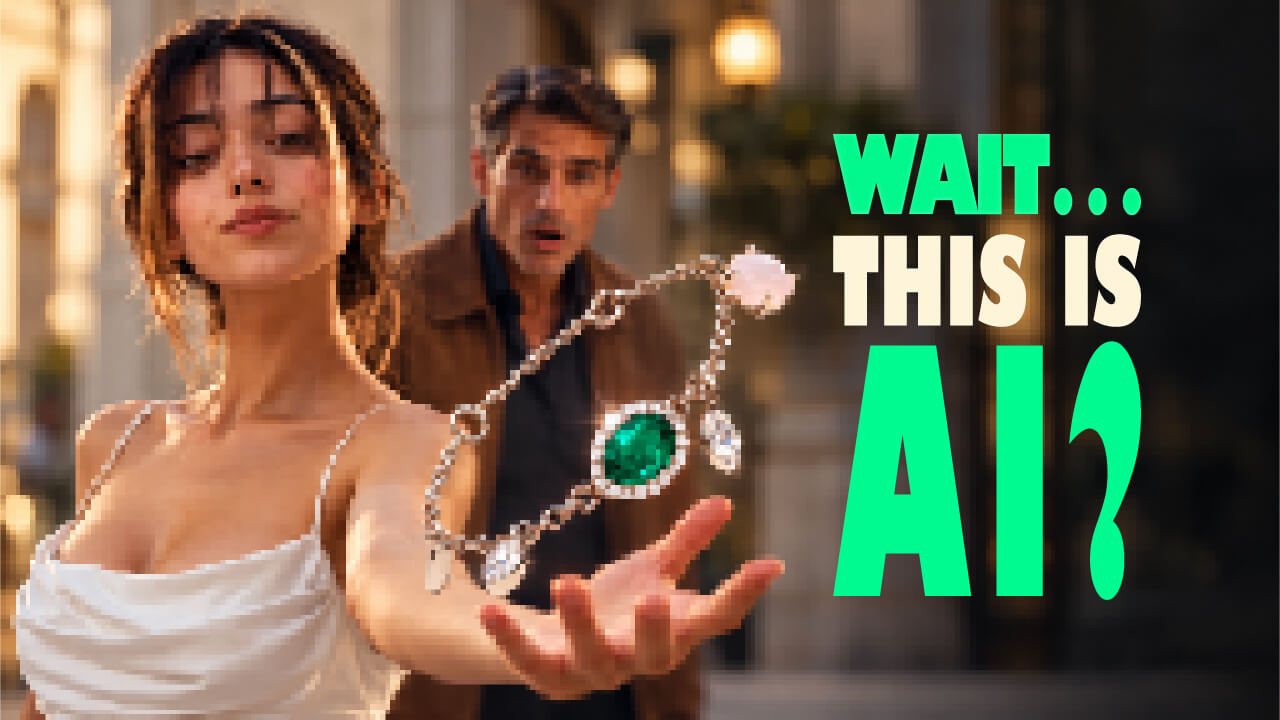
In June 2025, a 30-second ad for the prediction market Kalshi aired during the NBA Finals. Every frame of it was generated with AI. A few months later, Coca-Cola released its second AI-made holiday campaign, and in December Valentino posted an AI handbag reel that commenters called lazy and cheap. All three were AI commercials made with similar tools. The reactions were not.
If you run marketing for a brand, you've probably been asked whether your next spot could be made this way. The tools are real and the results can be good. But an AI commercial can also look like a shortcut, and audiences notice the difference quickly.
This guide explains what an AI commercial is, how one actually gets made, which kinds of ads suit the approach, where it still falls short, and what separates a premium result from the kind of work that gets a brand mocked in the comments.
What is an AI commercial?
An AI commercial is a video ad where some or all of the footage is created by generative video models instead of being filmed with a camera. The script, edit, sound and final grade can still be done by people, and in good work they usually are.
The term covers a wide range. At one end is an ad where AI only cleans up a background or extends a shot. At the other is an ad where nothing was ever in front of a lens.
Fully generated vs AI-assisted
Super Bowl LX in February 2026 showed both approaches side by side. InArtlist's breakdown of the game's ads, spots from Svedka and Pepsi Zero Sugar leaned into an obviously generated look as part of the concept. Others, like Budweiser and Bosch, used AI quietly in the background to smooth motion, keep lighting consistent or handle effects that would have been slow to do by hand.
Neither approach is better in itself. A fully generated ad gives you more freedom with scenes and settings. An AI-assisted ad keeps real footage at the center and uses AI to save time in post. The right choice depends on the idea and on how much of it needs to be real.
Why brands are paying attention now
Two things changed in the past year. First, adoption: according to anIAB report covered by Marketing Dive, more than half of digital video ad buyers already use generative AI to create or enhance video ads, and they expected that share to keep rising through 2026.
Second, the models got better at the things commercials need. Kuaishou'sKling 4.0, released in October 2026, can produce a single continuous take of up to 30 seconds with 10-bit HDR output, which leaves real room for color grading. The same announcement noted that two works made with Kling won Gold Lions at Cannes this summer. AI footage is no longer limited to experiments on social media.
How is an AI commercial made?
From the outside, it can look like someone typed a sentence and got an ad back. That isn't how professional AI commercials are made. The process looks a lot like traditional production, minus the physical shoot.
The script and shot plan come first
Every good AI commercial starts on paper. Someone writes the script, breaks it into shots, decides on camera angles, lenses, lighting and pacing, and collects reference images for the product, characters and look. For the Kalshi ad, the brand supplied the themes and dialogue, and the director used chat assistants to help turn the script into shot-by-shot prompts.
Skipping this step is the most common reason AI ads feel random. Without a plan, you get a string of nice-looking clips that don't add up to a story.
Generation means many takes for every shot
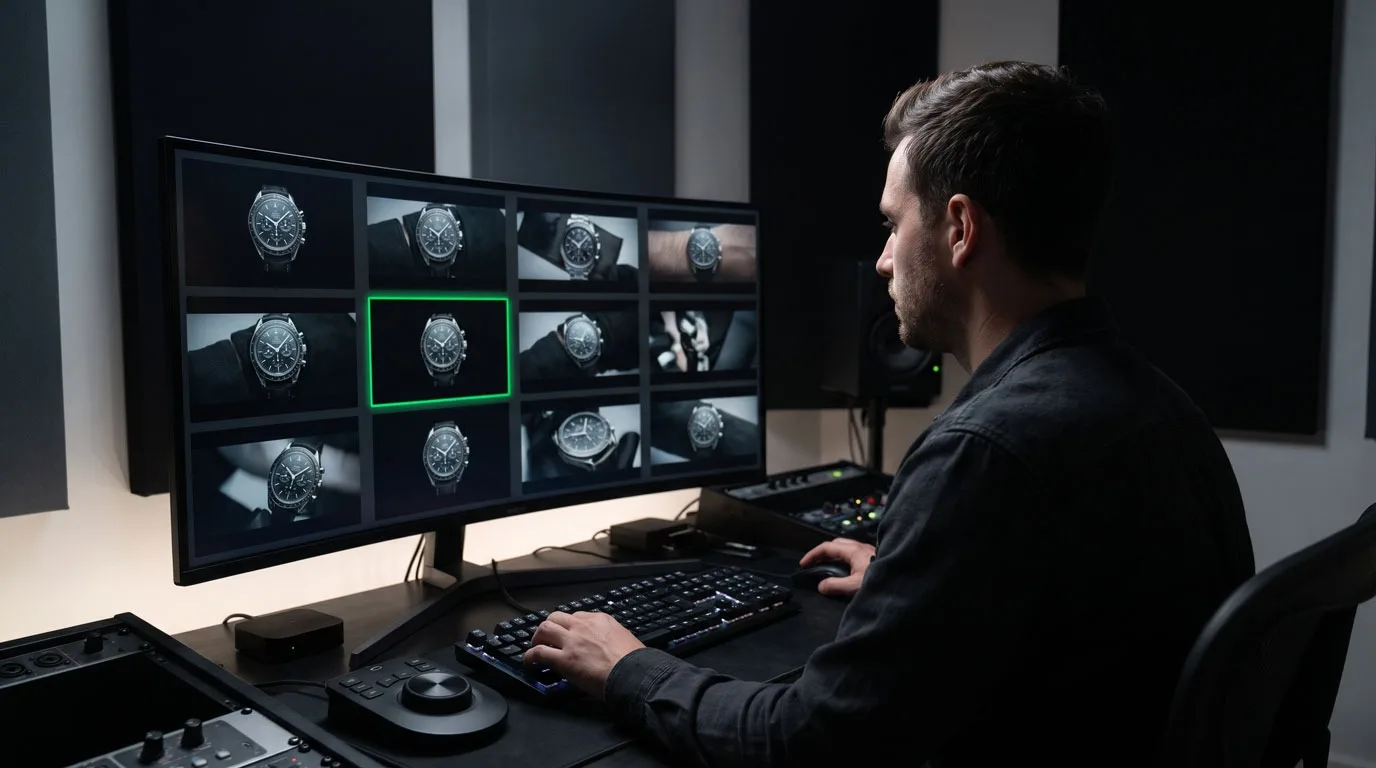
Generated footage is unpredictable. A model might nail the lighting and get the hands wrong, or keep the product perfect while the background drifts. So teams generate many versions of each shot and choose the best.
The numbers from real projects make this clear.NPR reportedthat the Kalshi ad took around 300 to 400 generations to get 15 usable clips. For Coca-Cola's 2025 holiday campaign,TheWrap reportedthat five AI specialists sorted through more than 70,000 clips over about a month. Selection is a big part of the craft.
People finish it: editing, sound and color
Once the shots are chosen, the work becomes familiar. An editor cuts to rhythm, a sound designer builds the audio, music is licensed or composed, and a colorist makes all the shots feel like they belong to one film. Shots from different models or sessions can look slightly different, so the grade does a lot of quiet work in an AI commercial.
This is the stage that separates a commercial from a clip. The Kalshi director edited his footage in standard editing software and added music himself. Coca-Cola's team did color work and clean-up after generation.
What kinds of commercials work well with AI?
Some briefs suit AI production much better than others. These are the ones where it tends to make the biggest difference.
Product hero films
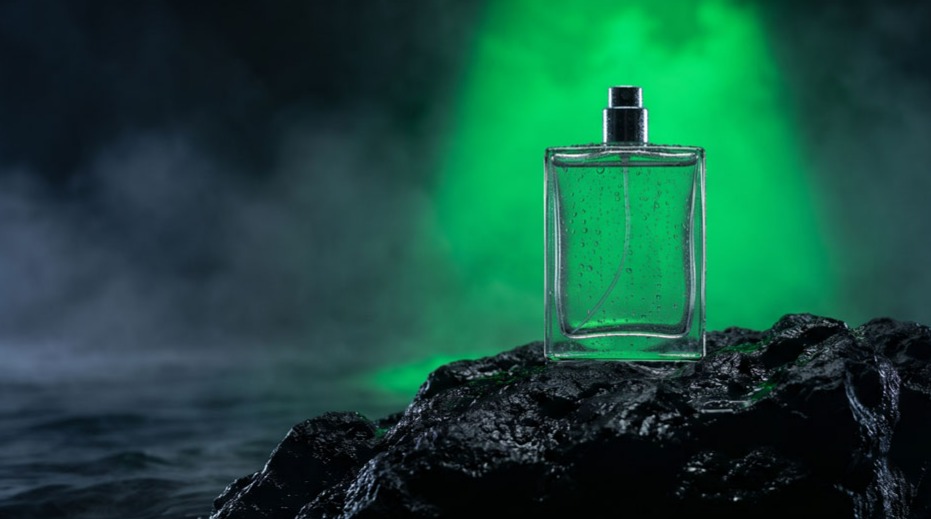
Ads where the product is the star and no real person needs to speak on camera are a natural fit. A watch turning in light, a perfume bottle in a dramatic setting, a sneaker in motion. With strong reference photos of the product, current models can keep it accurate across shots, and the setting around it can be anything you want.
Scenes that would be expensive or impossible to shoot
A bottle falling through clouds. A car driving across a frozen lake at sunrise. A handbag sitting on a mountain summit. With a camera, each of these means travel, permits, rigging or heavy visual effects. With AI, they cost about the same effort as a studio shot. If your idea needs a world that doesn't exist, AI production is often the only realistic way to make it.
Seasonal and regional versions
Brands that run the same campaign across markets or seasons can change settings, props and people without reshooting. A summer version and a winter version, a city scene for one region and a desert road for another. The structure of the ad stays the same while the details adapt.
Where AI commercials still fall short
It would be dishonest to pretend AI commercials work for every brief. There are clear limits, and knowing them up front saves time and budget.
Real people and exact product detail
If a specific person needs to appear as themselves, such as a founder, an athlete or a brand ambassador, you need their real footage or their explicit consent and involvement. Generating a real person without permission creates legal and ethical problems that no campaign is worth.
Very fine product detail is the other weak spot. Small printed text, complex mechanisms and exact fabric textures can drift between frames. These shots need extra generations and careful checking, and sometimes the better answer is a short real packshot combined with AI scenes around it.
How audiences react to AI ads
Viewers are not neutral about AI. ANielsenIQ study on AI-generated adsfound that people picked out most AI ads quickly and rated them as less engaging, and that low-quality visuals took more mental effort to process. NIQ's advice was to invest in high-quality execution rather than treat AI as a way to cut corners.
Valentino's December 2025 reel is the cautionary example.As eWeek reported, commenters called the morphing visuals disturbing and "AI slop," and some said it felt off-brand for a luxury house. The problem wasn't that AI was used. It was that the result looked like AI was the point, and the product got lost.
How do you make an AI commercial look premium?
The brands that get good reactions to AI commercials tend to follow the same habits. None of them are secrets, but they take discipline.
Treat it as a production, not a prompt
Plan every shot. Build proper reference sets for the product and any characters. Keep one visual style across the whole ad, from lens choice to color palette. Vary camera movement so the ad doesn't fall into the slow, floating push-in that so much AI footage defaults to. And cut it like a real commercial, on action and on the beat.
Watch the ad on a phone before you approve it. That's where most people will see it, and small errors that hide on a big monitor show up there.
Be honest about AI use
Disclosure is becoming the norm. Cannes Lions nowrequires entrants to declare AI-generated or AI-assisted content, and failing to do so can lead to disqualification. Platforms and regulators are moving in the same direction.
Being open about how an ad was made rarely hurts a good ad. Trying to hide it, and getting caught, often does.
Check every frame before it airs
Count fingers. Read every label. Watch liquids pour and fabric move. Scan the edges of the frame for objects that appear and vanish, and for anything that looks like another company's logo. Have someone who didn't make the ad watch it fresh, because the people who built it have seen each shot too many times to notice problems.
For a closer look at what to ask a production partner before you start, see our guide onhow to choose an AI video agency. If ownership and rights are your main concern, readwho owns an AI-generated ad.
Is an AI commercial right for your next campaign?
AI commercials work best when the idea is strong, the product can carry the frame, and the team behind it treats the process with the same care as a shoot. They struggle when a real person must appear, when every tiny product detail has to be perfect in motion, or when AI is used as a way to skip the creative thinking.
At GAAJ, commercials are one of our four core services. Each one is scripted and planned by people, made with AI, and edited, sound-designed and checked by people before delivery. You can see the kind of work we make on ourwork page, or read more about ourcommercials service.
Have a campaign idea you're not sure suits AI?Book a calland tell us about it. We'll give you a straight answer on what would work.